While cleaning the house last Thursday, during work suspension because of Typhoon Carina, I came across my blue rubber boots. These were mine from my elementary days and were kept in a box by my mom, since no one’s using them now. I proudly wore them before, during rainy days, heavy or not.
I remember, I was probably in Grade 2 or 3 when my mom got me these boots. I really liked them especially in the first few weeks after getting them so I wore them even if the rain was not pouring. One time, it rained a little in the morning, but by noontime until afternoon, the sun showed itself. As the tiny me was walking home by myself, wearing those almost knee-high boots, I could see the stifled smile/laughter from some adults in our neighborhood, among these, a curly-haired good looking man named Bong.
Then months passed by and I rarely wore those boots anymore. But rains and typhoons were occurrences that happened year by year in Albay. The latter was common so we weren’t surprised anymore when news announced incoming typhoons. We prepared for them, of course. My mom ensured that we had enough rice grains, sugar, coffee, canned goods, and noodles. Our thermos had hot water; our caldero had comforting lugaw or macaroni soup.
She also supervised, with my uncle’s assistance, covering the jalousie windows with either plywood or durable sacks. If not for those, the windows could break and even if not, water could get inside the slits.

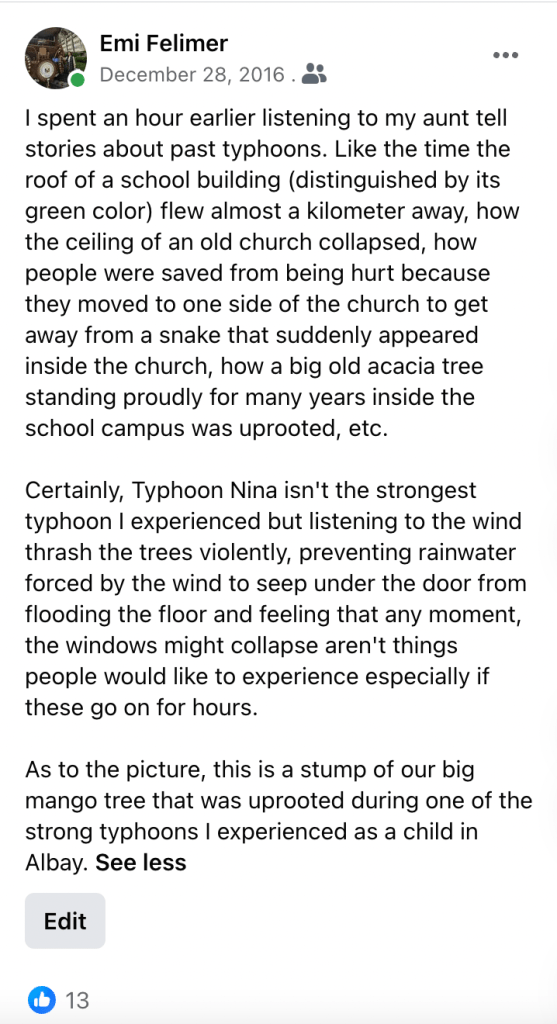
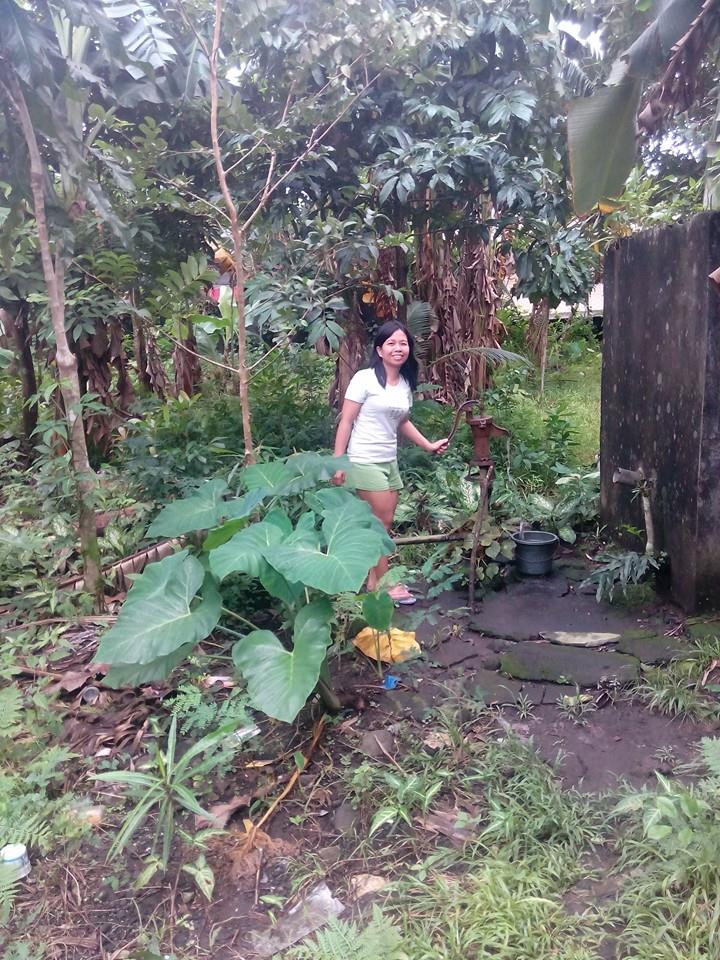
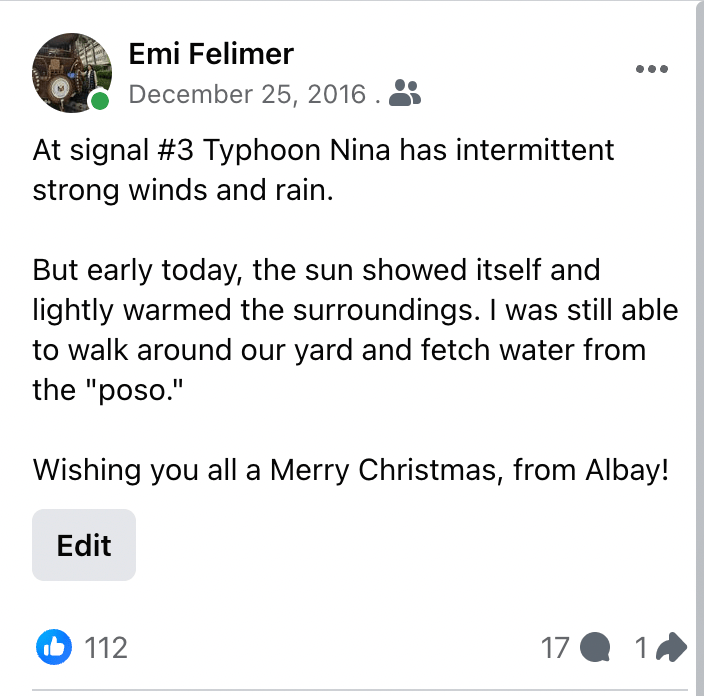
We also surveyed our backyard for the bananas, fruits and vegetables, which could be harvested before the typhoon. If not, these would be ravaged by the strong winds and rains and our mini-forest would look like a flattened abstract painting of greens and browns. We also put some sand in rice sacks and placed these by the dining area gates. As much as possible, we stored water in big drums and pails. We also secured our pets inside. We had chickens, ducks and turkeys then. But I can’t recall now how we prepared or strengthened their cages.
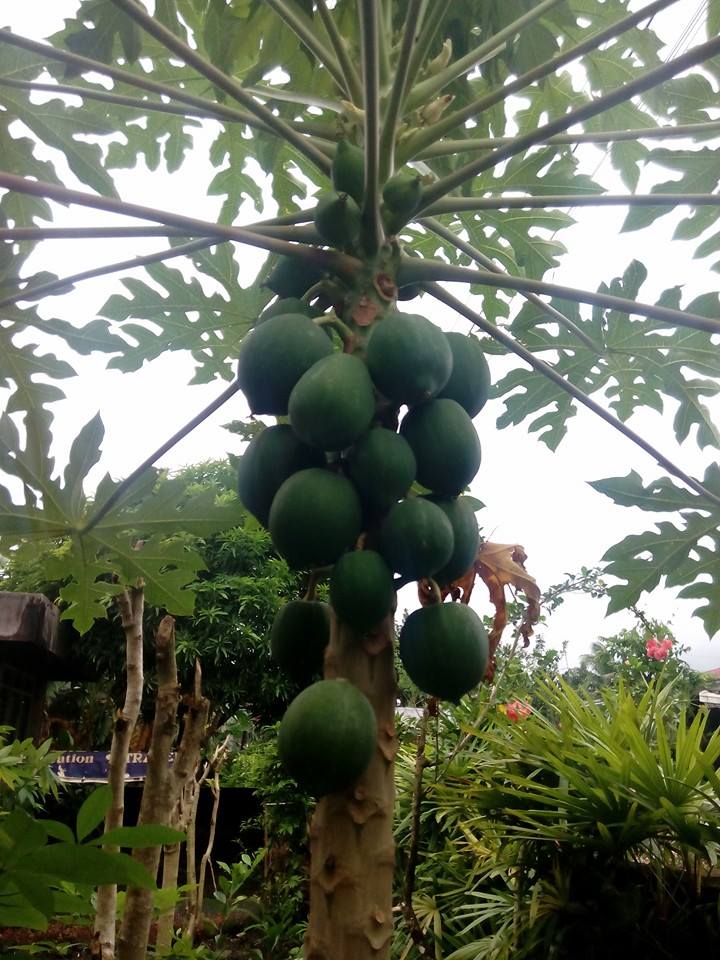
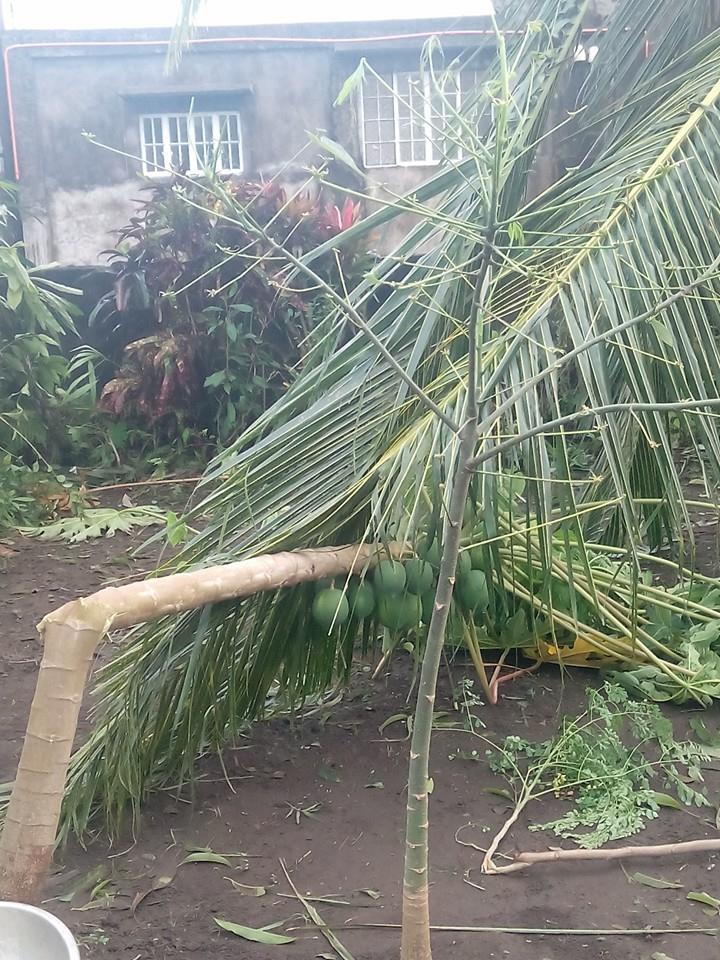
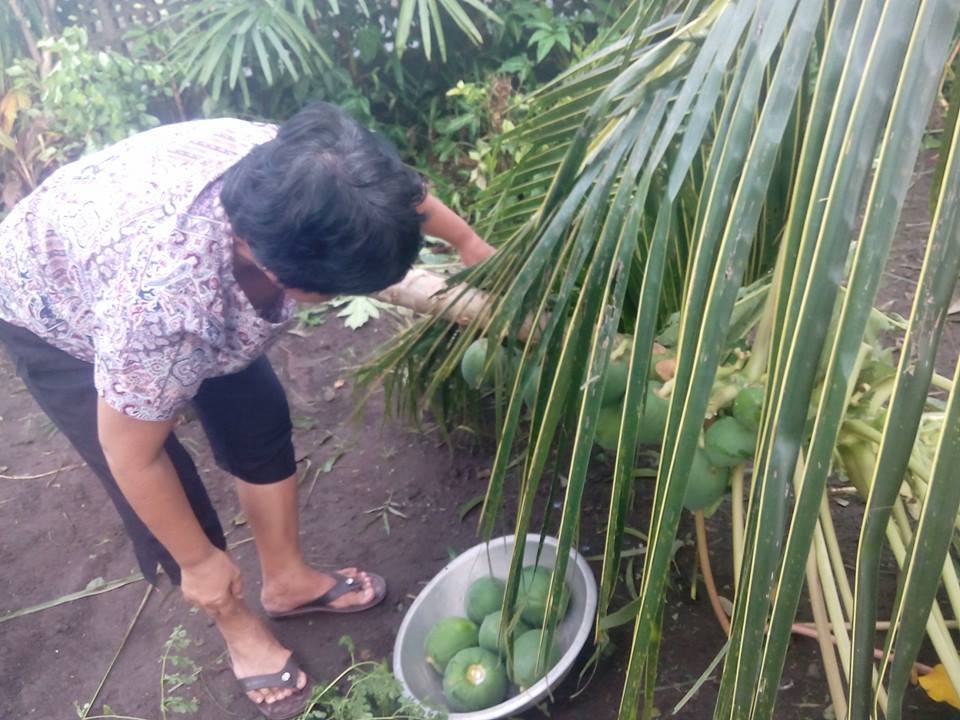
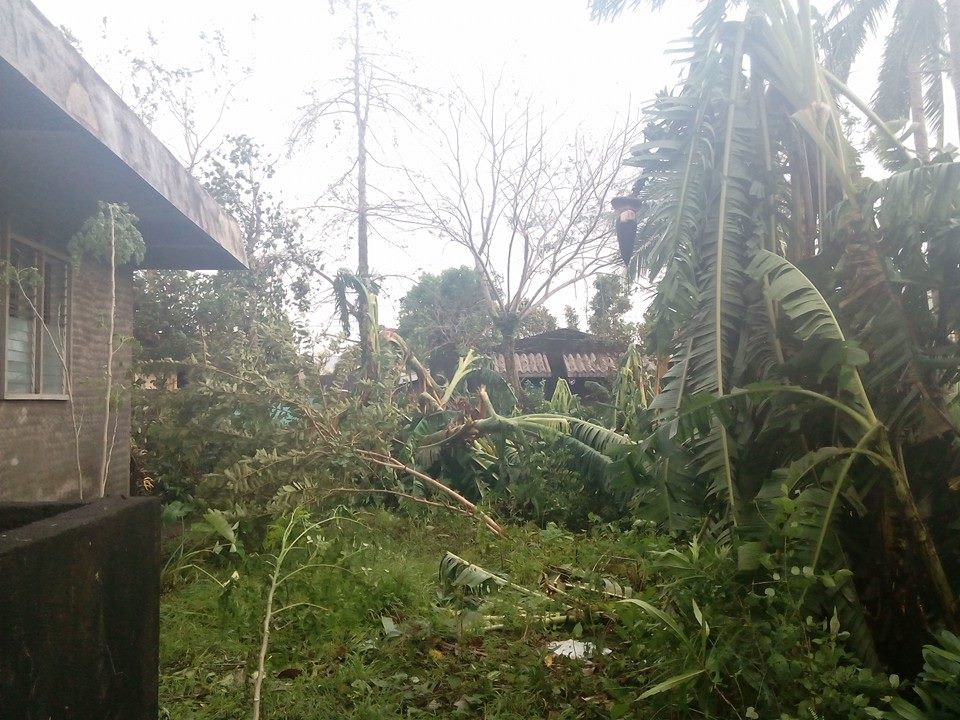
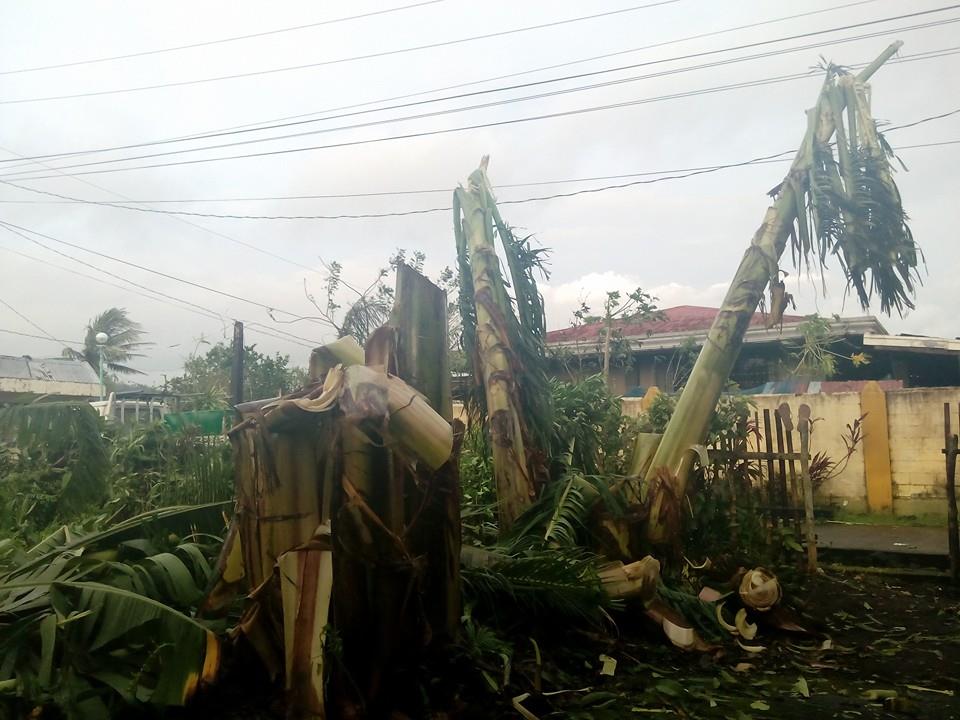
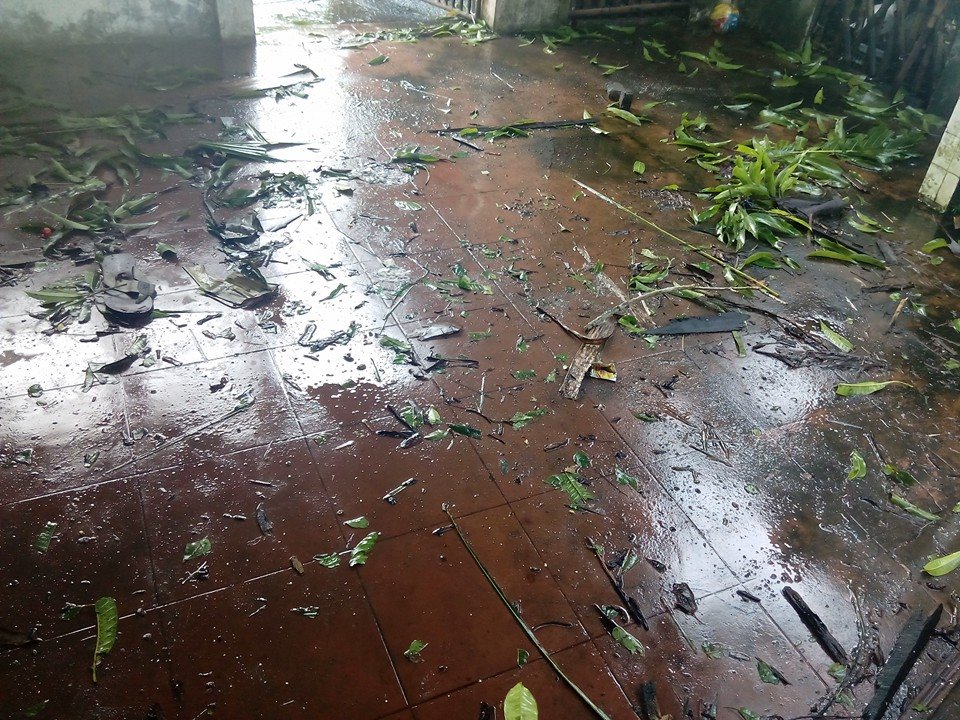
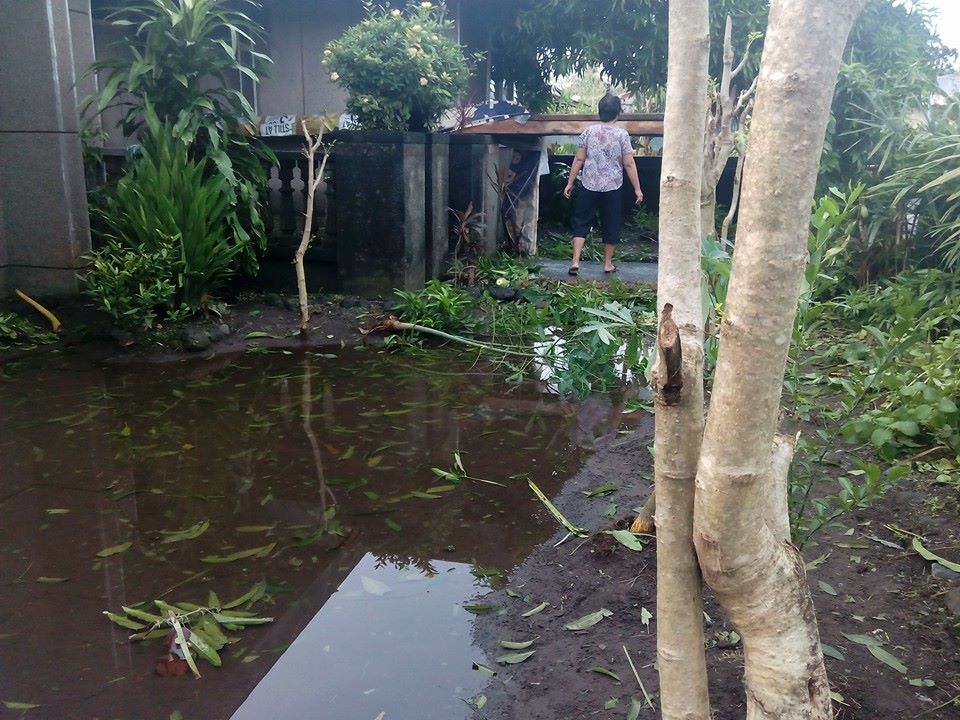
Floods? Thankfully, our family didn’t have a problem with this. Our house is well-situated plus it’s built a few feet up from the ground. There were also many grasses and trees, which undoubtedly helped control the water. My late dad, a former civil engineer, built and designed a really strong house, which made us feel safe and secure, no matter the weather’s unrest outside. We even shared our house with some relatives during inclement weather, and once, with neighbors, when there was a really strong typhoon (the name of escapes me now) that brought even a bit of the sea water to our area (I vividly recall the salty taste of some small snack items in our sari-sari store).
I would like to share some of my thoughts about past typhoons in the Philippines:
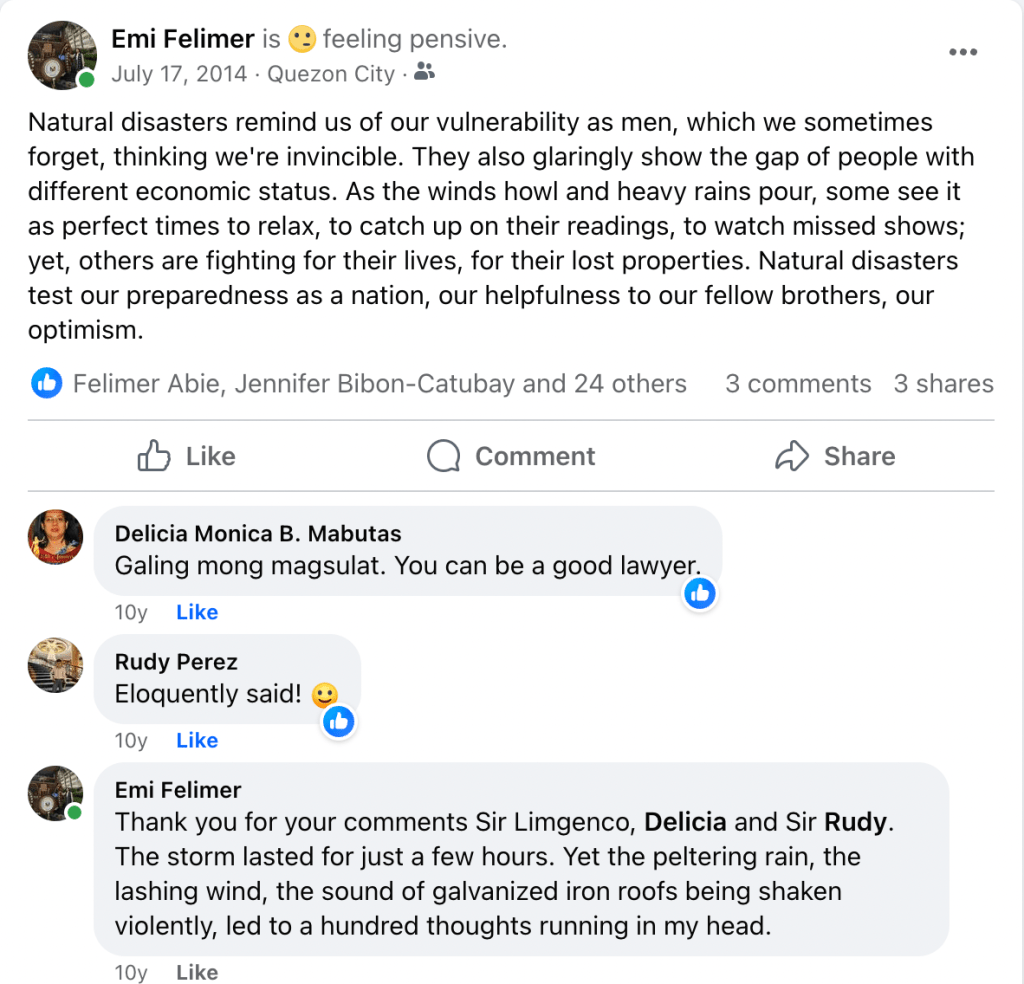
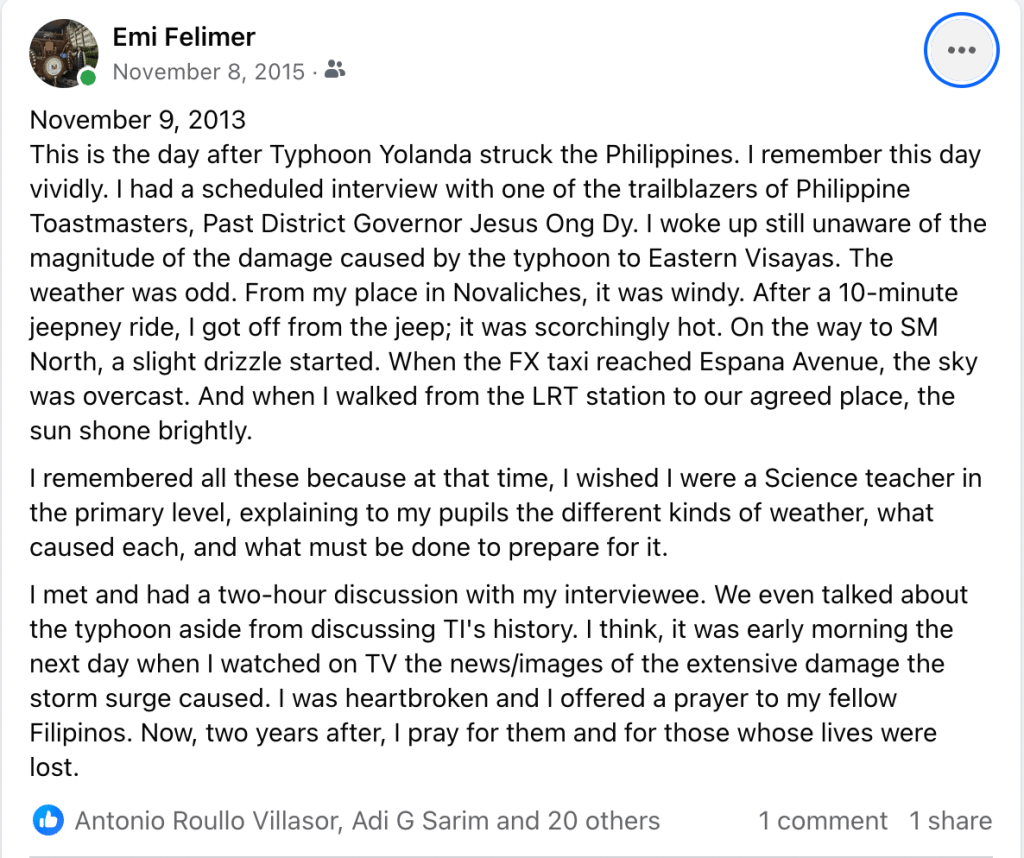
—
Thus, watching the news of Typhoon Carina and seeing the massive flooding that affected many houses, I can imagine how difficult and how heartbreaking it must be for many families. Lives were lost. Pets drowned. Properties were destroyed. Once beautiful and cozy houses are now mudied.
I wonder what could be done differently? It’s not enough that governments and nations sign agreements on disaster preparedness, designate disaster preparedness focal teams and hotlines, assign evacuation centers, plan relief operations and create visually-appealing infographics on typhoons (or any natural calamity for that matter).
Some people blame climate change as the culprit for the massive flooding. It’s a main factor, yes. But this is also a result of people’s greed–abusing the environment for their gains (overmining, land reclamation, illegal logging, deforestation, destruction of mangroves, overdevelopment, and so on).
Concrete measures are a must. Campaigns to make people aware of how to prepare for typhoons in the long term are needed. Interagency collaborations, sharing of ideas from scientists, lawmakers, engineers, infrastructure experts, are now more needed than ever. Foremost is the will to make a lasting change and to save the environment and its inhabitants.
 Beyond Routes