To break my writing hiatus, I struggled to write at least a paragraph a day, choosing a light and interesting topic that will somehow keep the computer keyboard clacking. It’s been a struggle as I was unable, due to several factors including fatigue and subtle ennui, to write something (except for numerous work-related deliverables) in the past five weeks.
So here’s the product of my weekly effort to create an art, in this case, a bit of writing, that made me search for old photos, reminisce previous events briefly, and smile. It’s an article about Filipiniana, particularly when referring to clothes/attire.
“Filipiniana” has come to represent a broad range of clothes. Now, it does not only mean the traditional barong or baro’t saya. To make it more specific and clearer in event announcements requesting RSVP, the adjectives “formal,” “casual,” ‘modern,” “Office,” are added to the word.
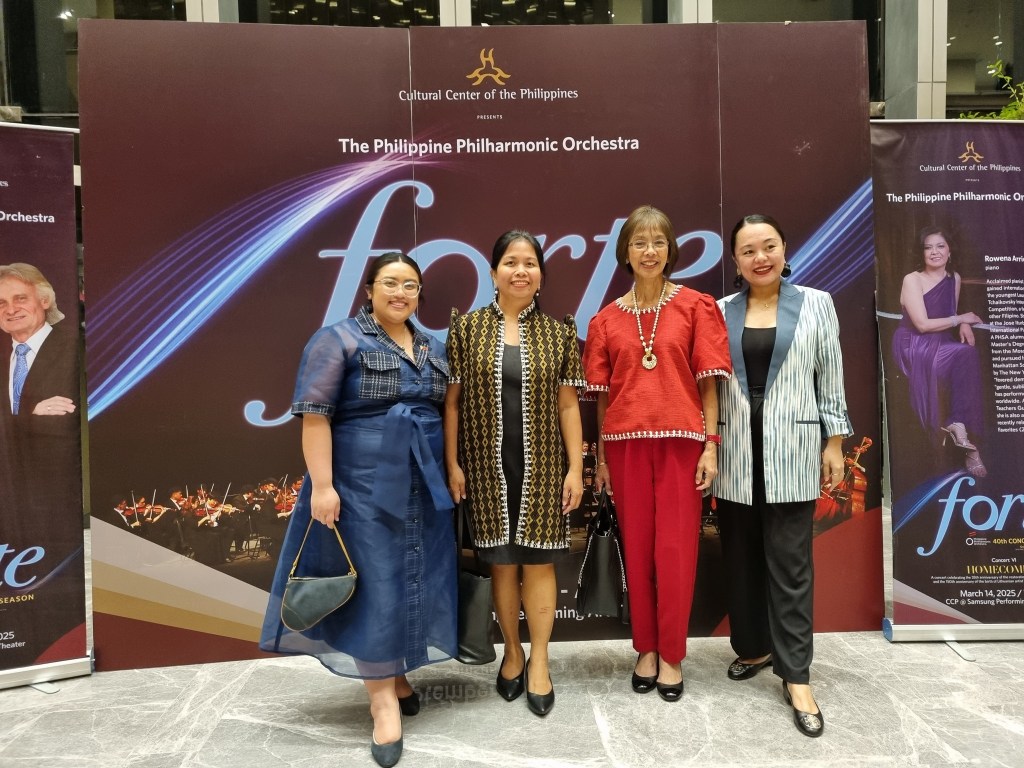
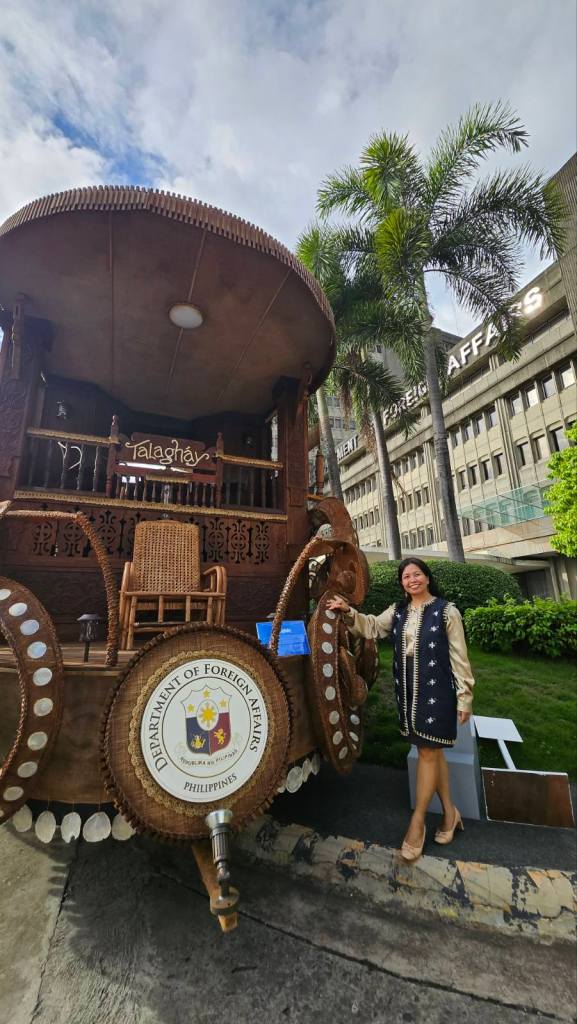
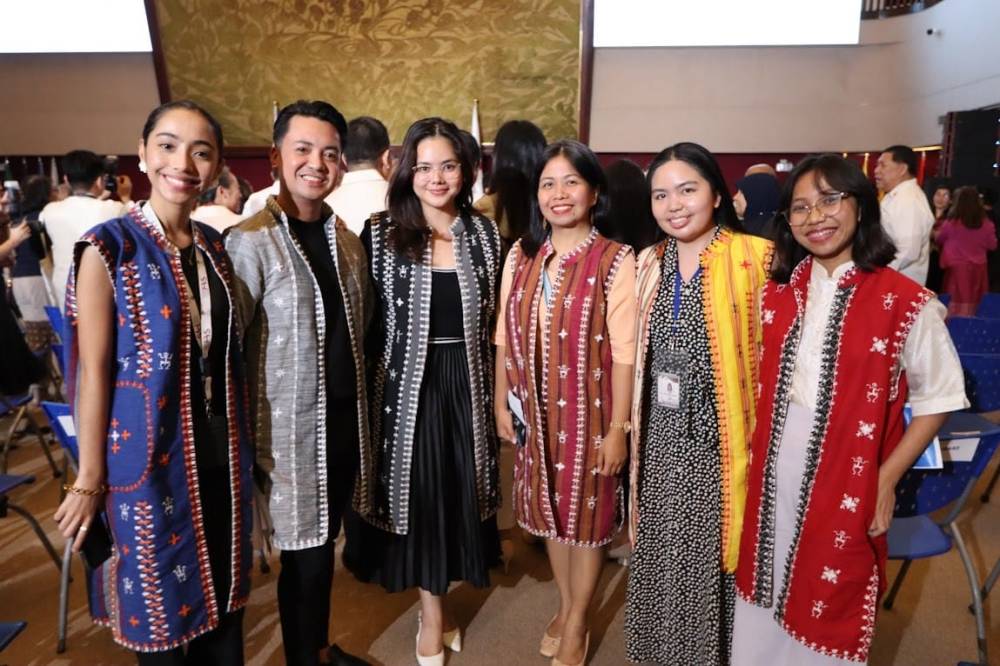
In school (as a former educator for several years), we rarely wore it, except in some occasions like “Buwan ng Wika,” and the likes. But now that I’m in the government, we wear it every Monday, and almost every time we attend an occasion in the Department of Foreign Affairs or with stakeholders. Especially in the Office of Cultural Diplomacy, a lot of our events, whether organized by our Office or other agencies or diplomatic in nature, we usually wear Filipiniana.
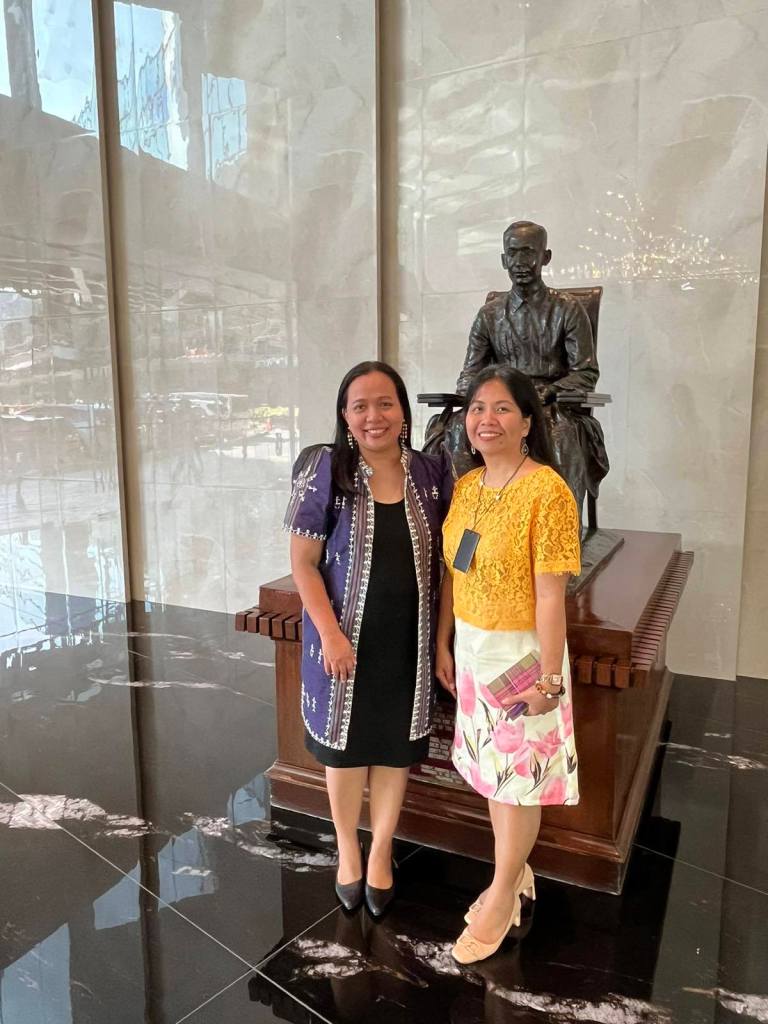
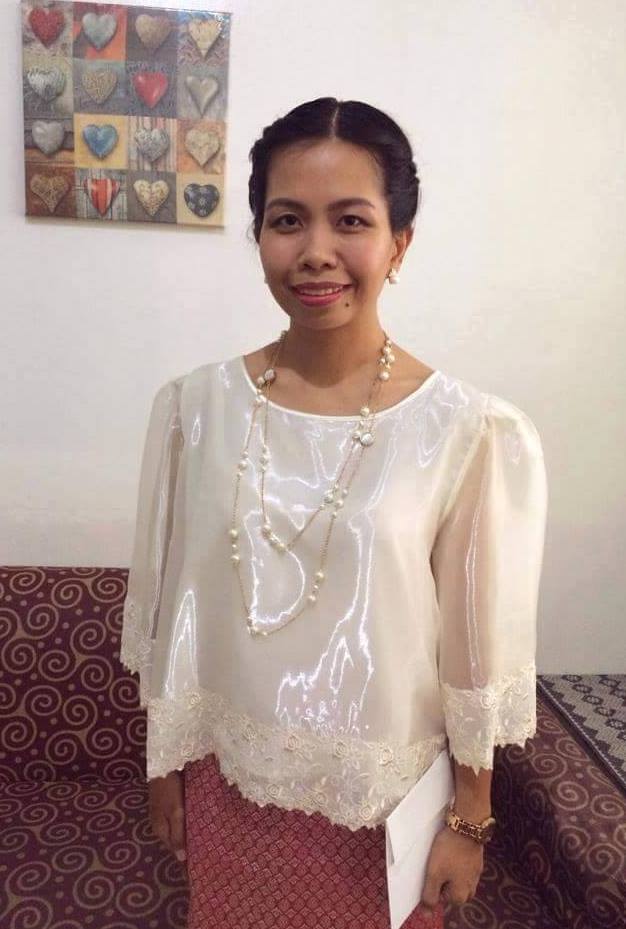
I’d like to share some photos of my Filipiniana attire at different points in my 9 years in the foreign service. Several were store bought as an RTW item, but in some of my clothes, I personally selected the fabric, sketched my own design, and had our local mananahi turn them into wearable items.
Let’s start with my Filipiniana dresses, in which I both selected the fabric and sketched the design:
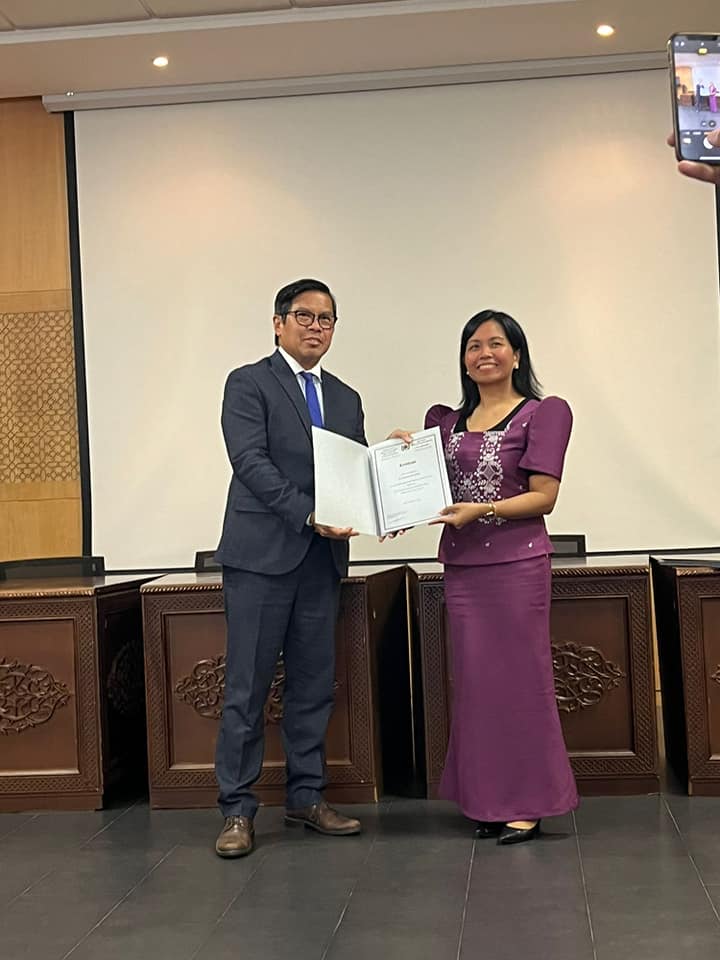

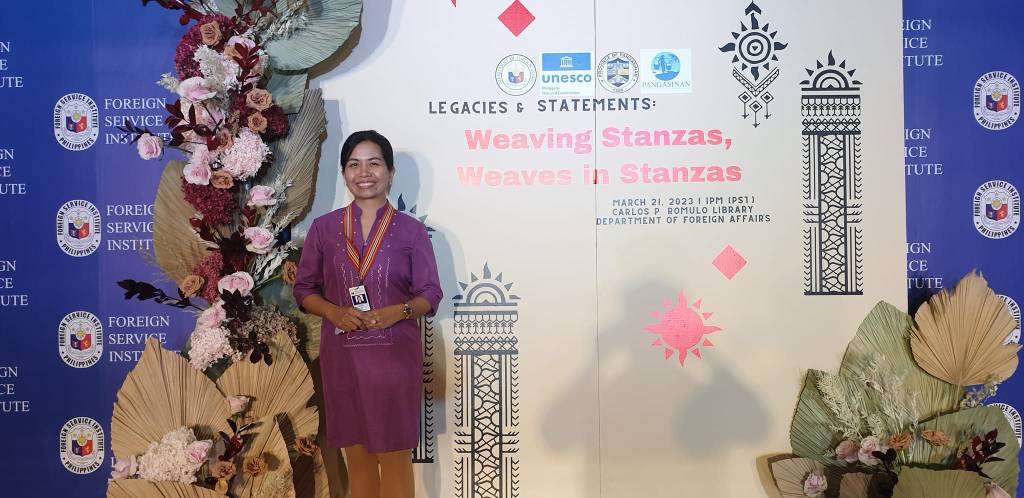


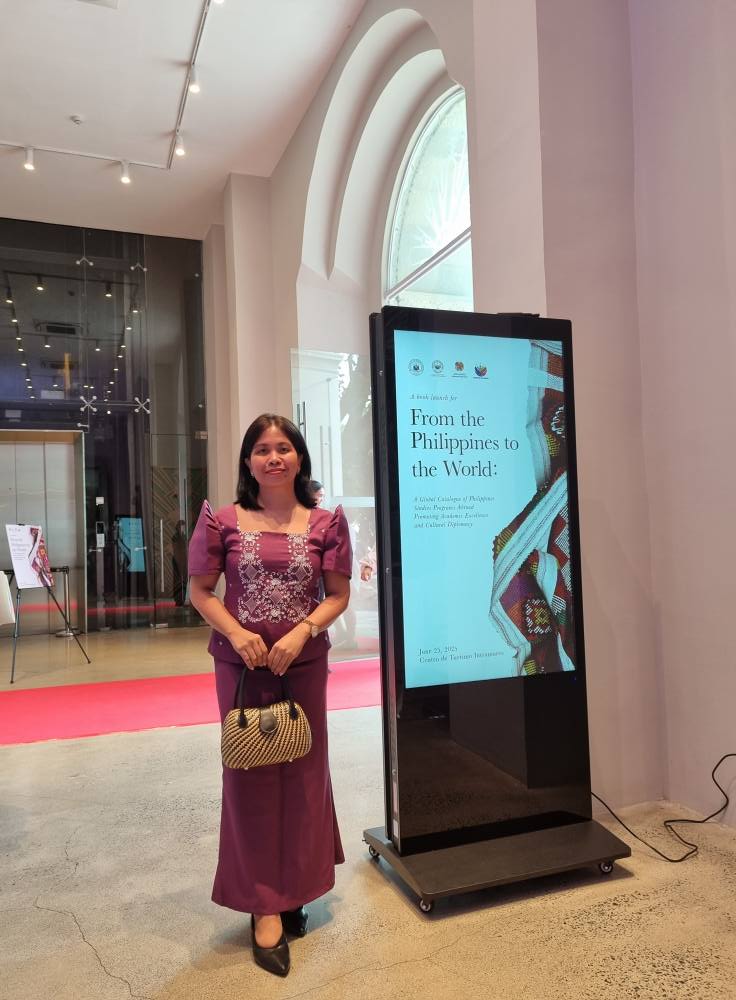


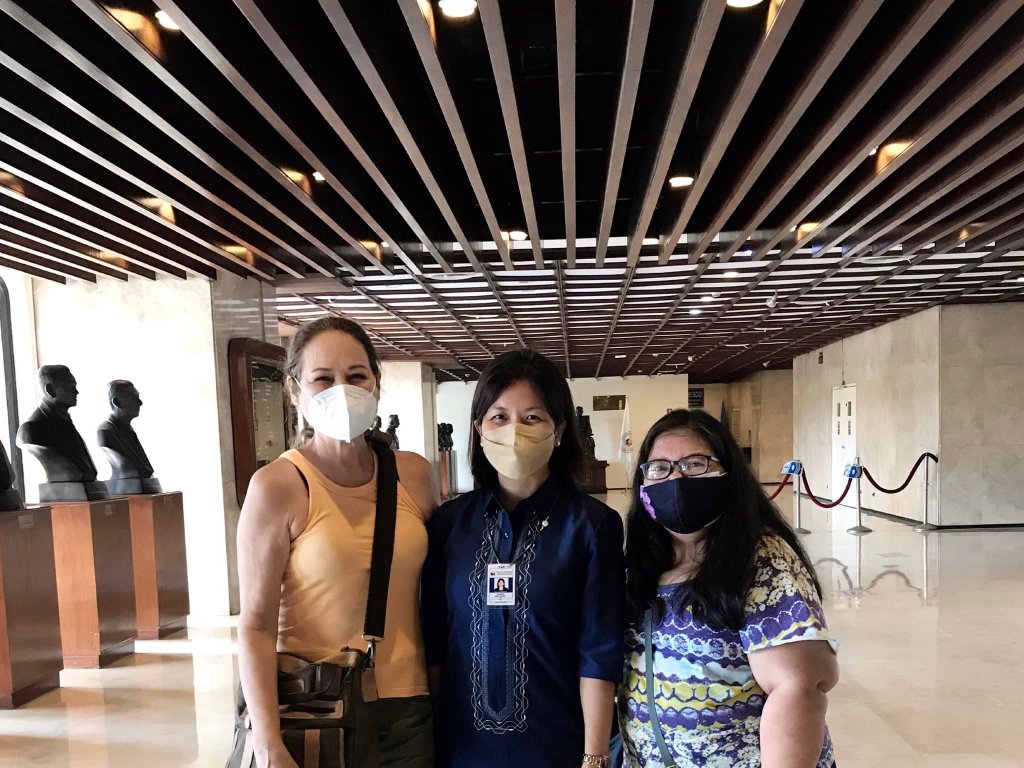


These 2nd set of Filipiniana are RTW items from the store:
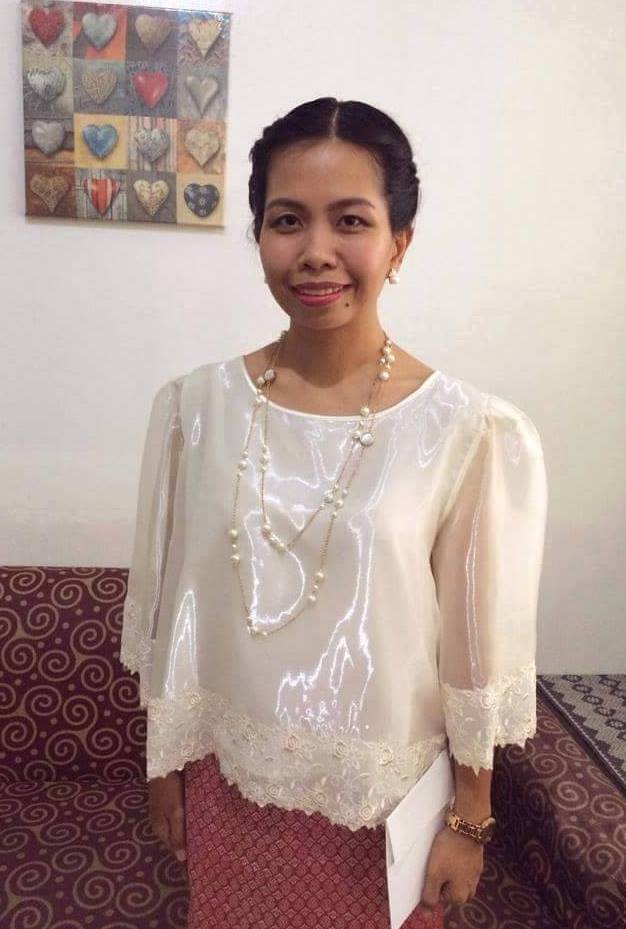
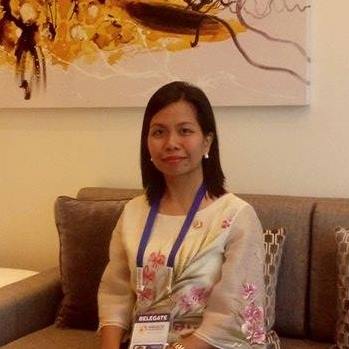
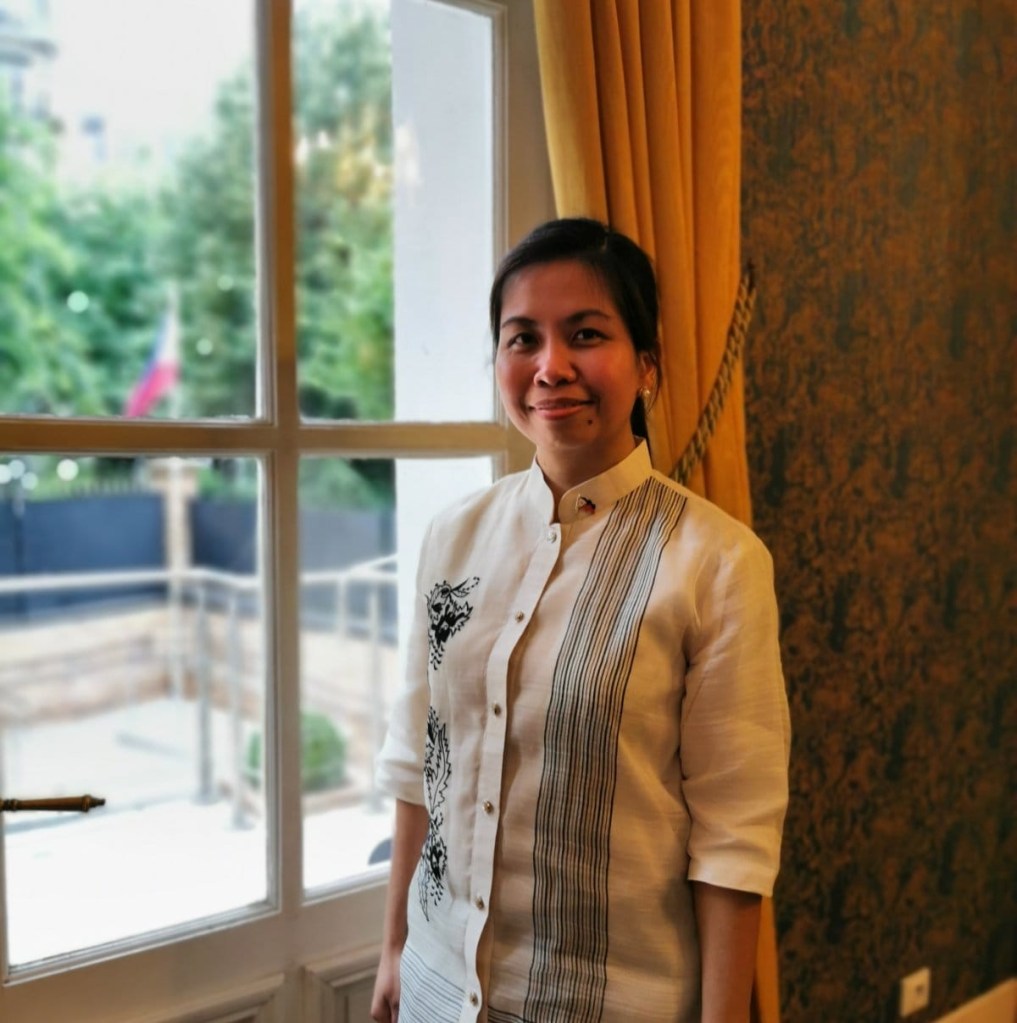


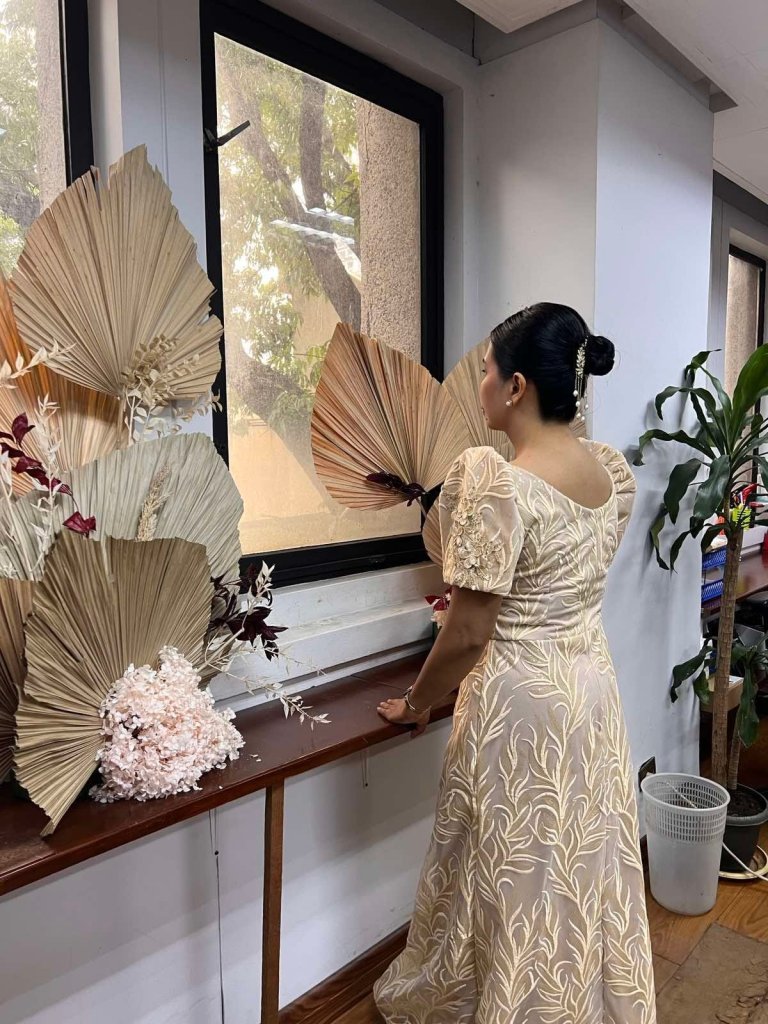


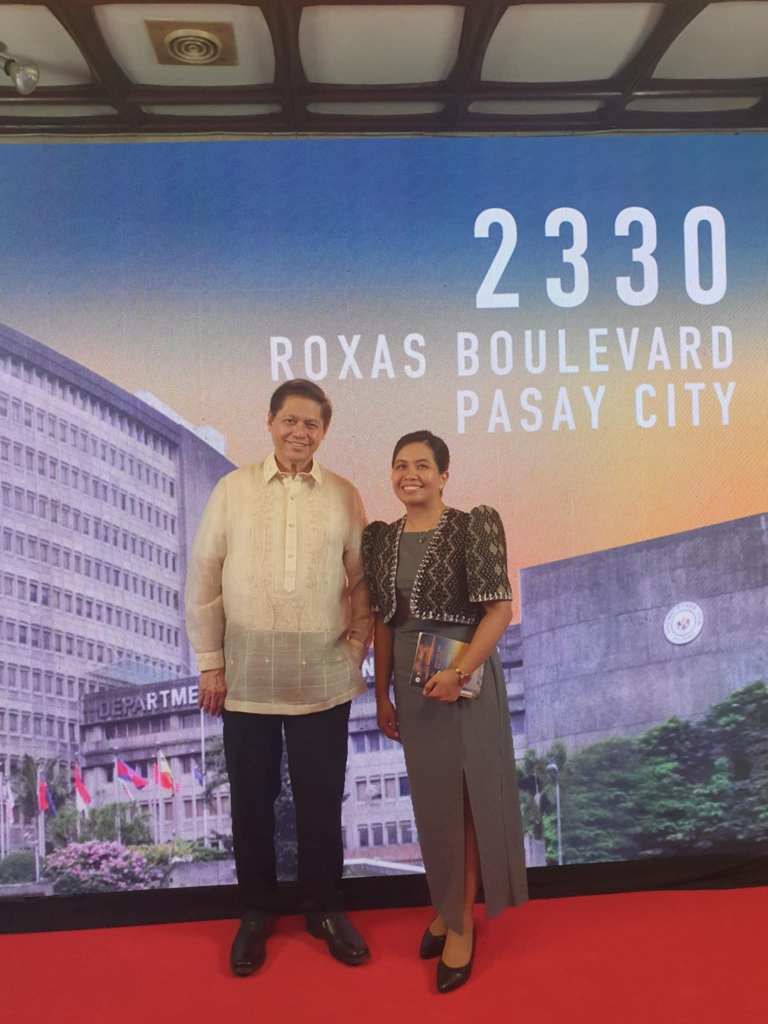



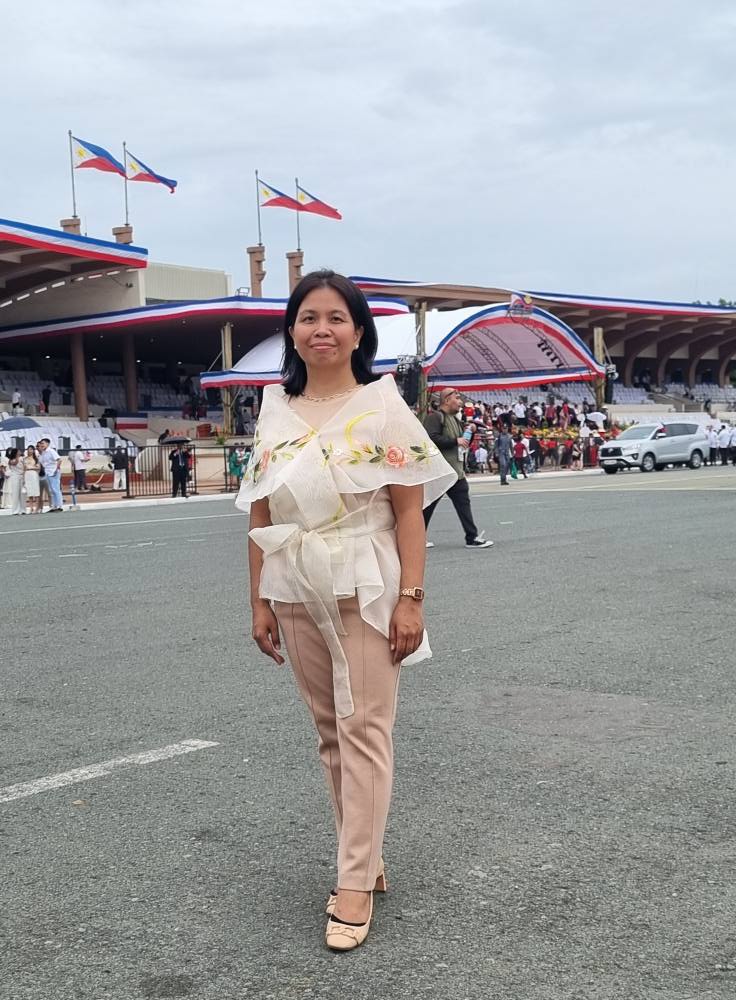


Jan. 2016

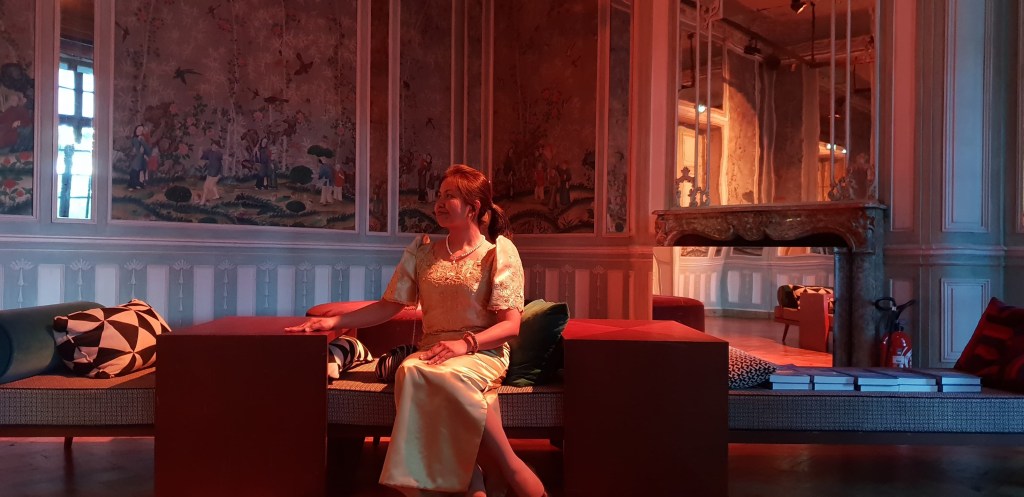
My fave looks?
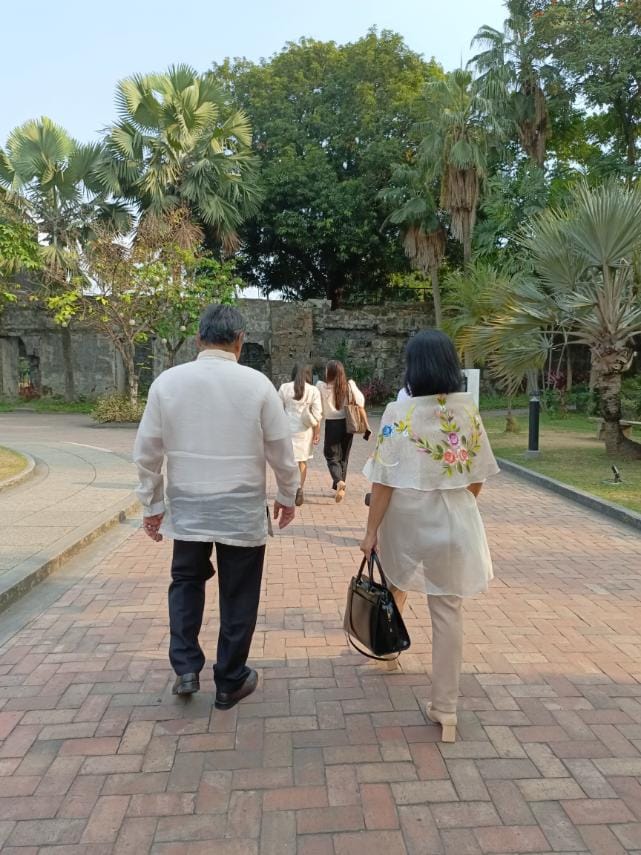
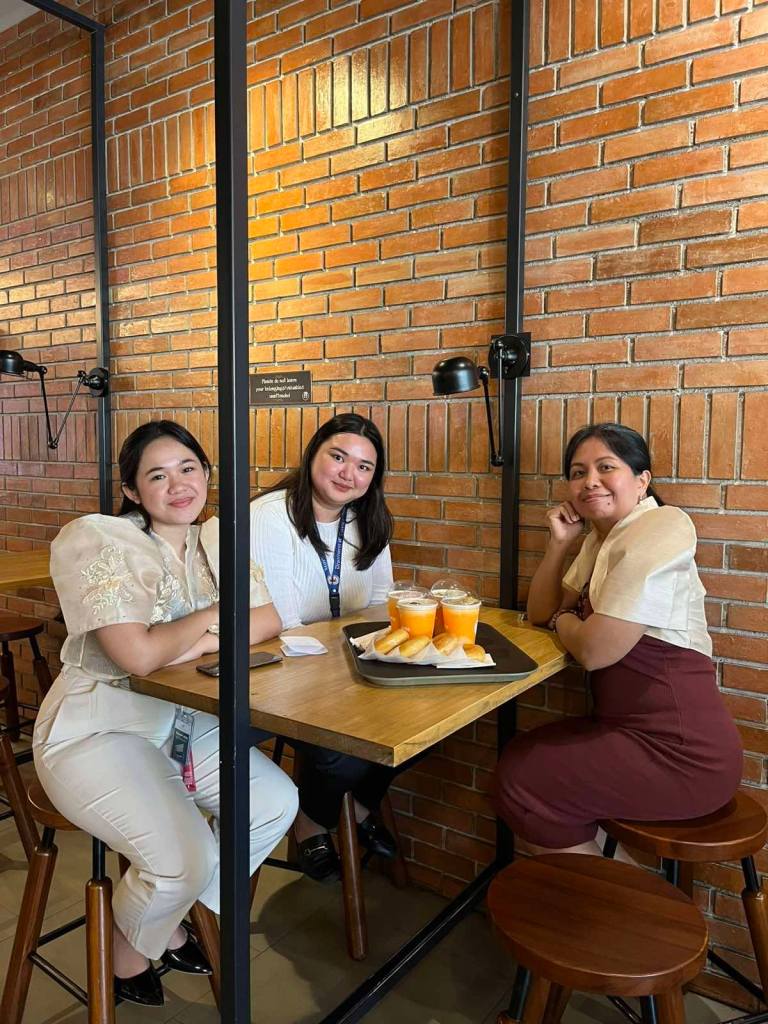
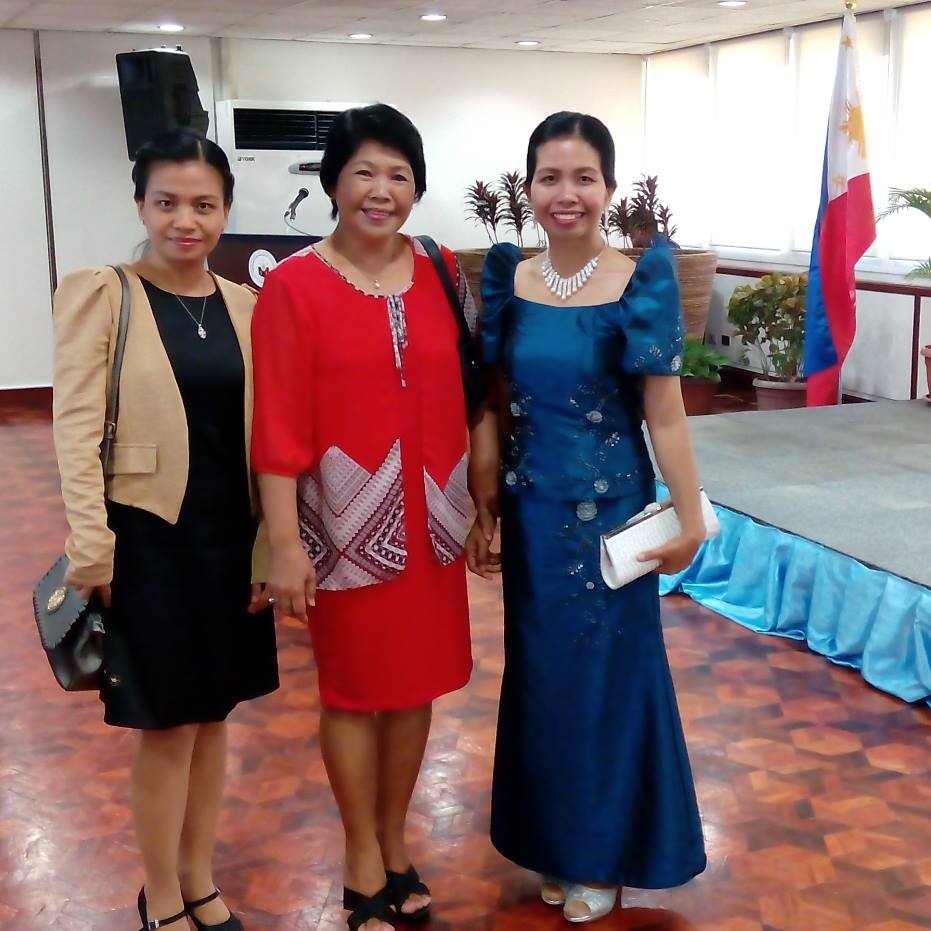


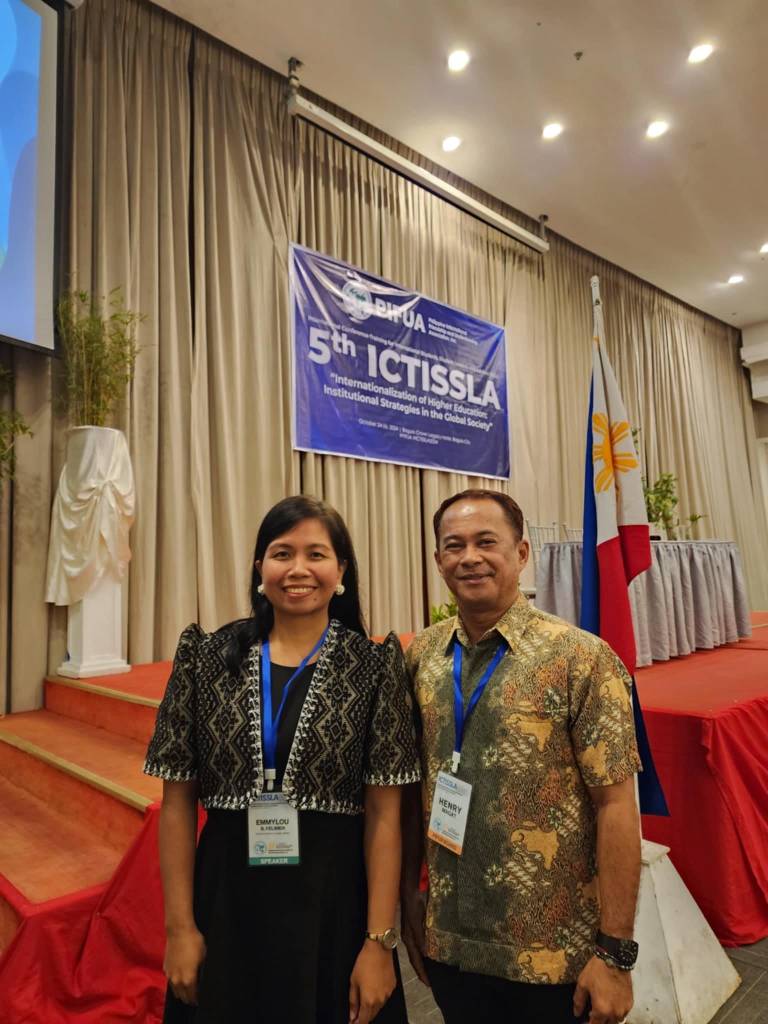

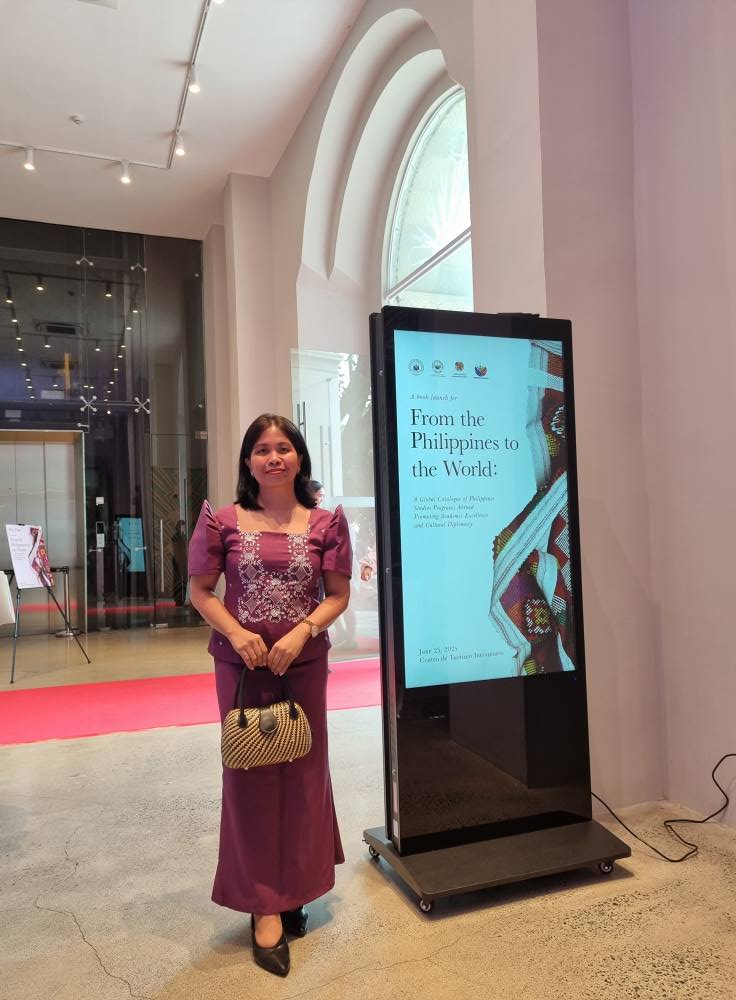


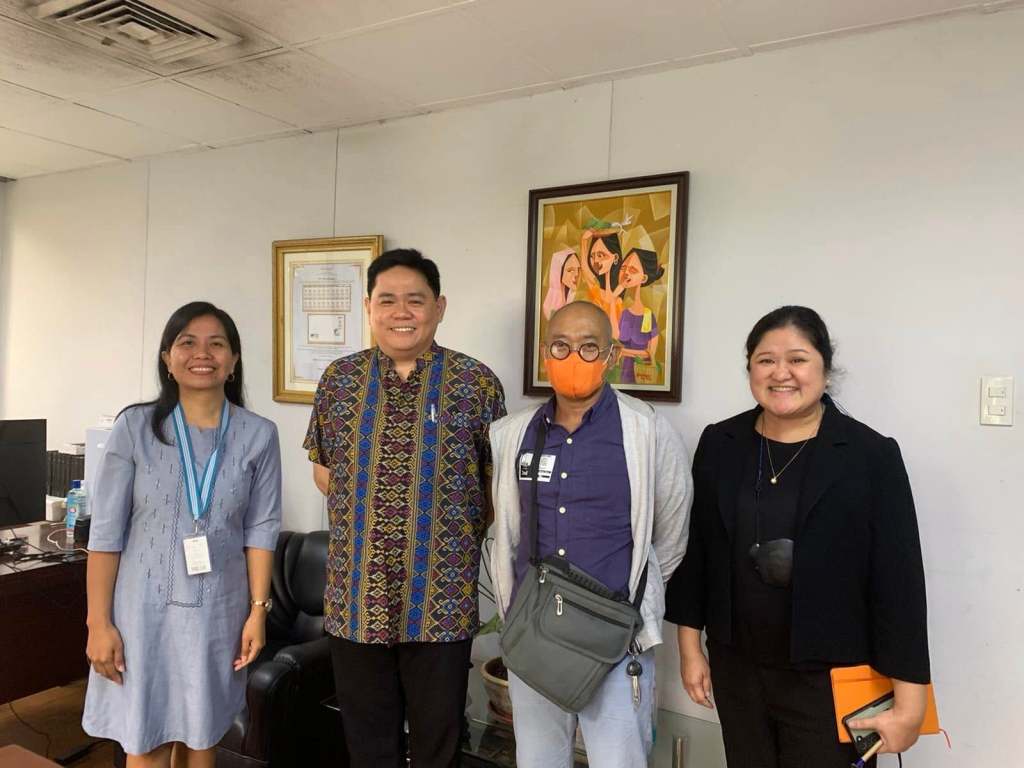
Group Pics
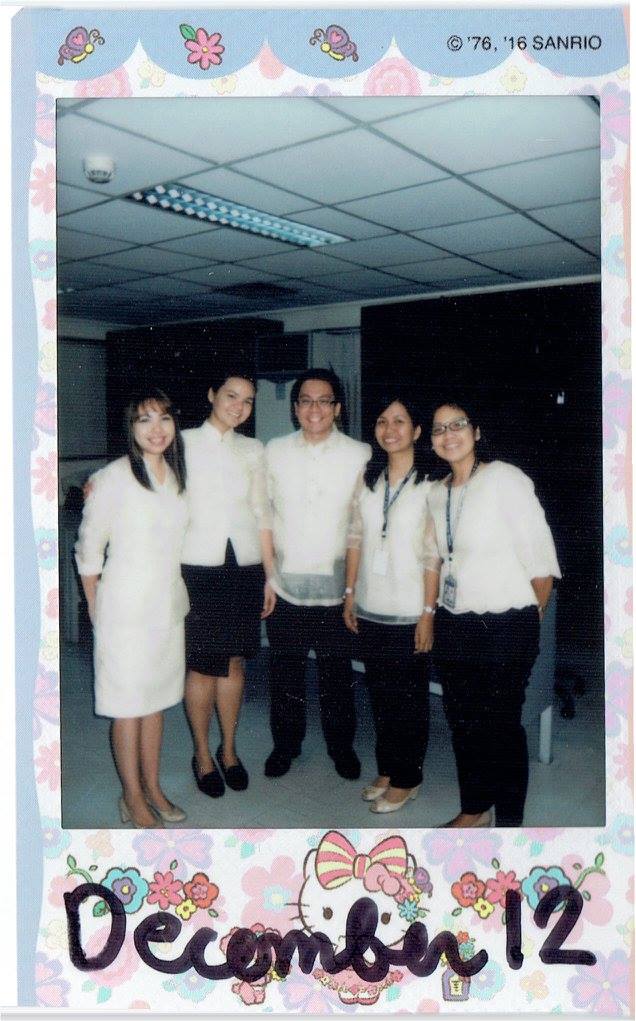


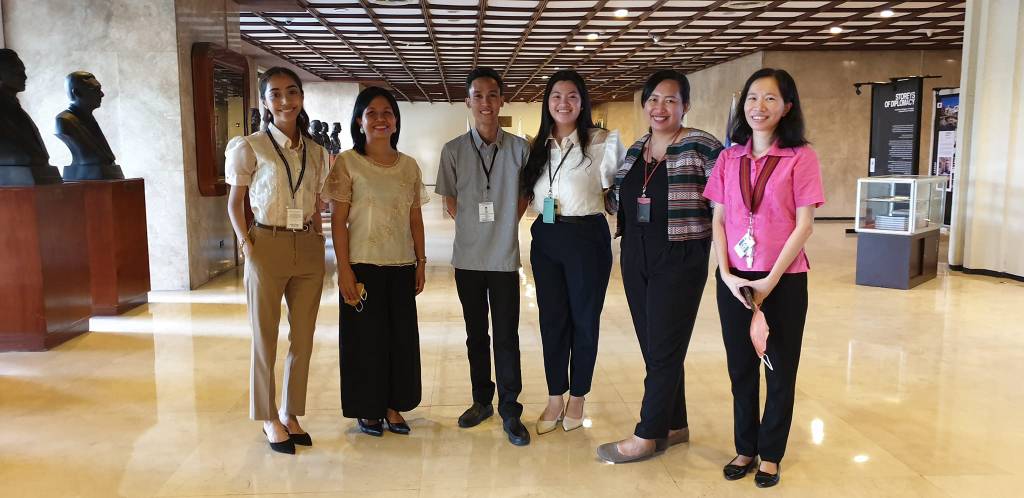

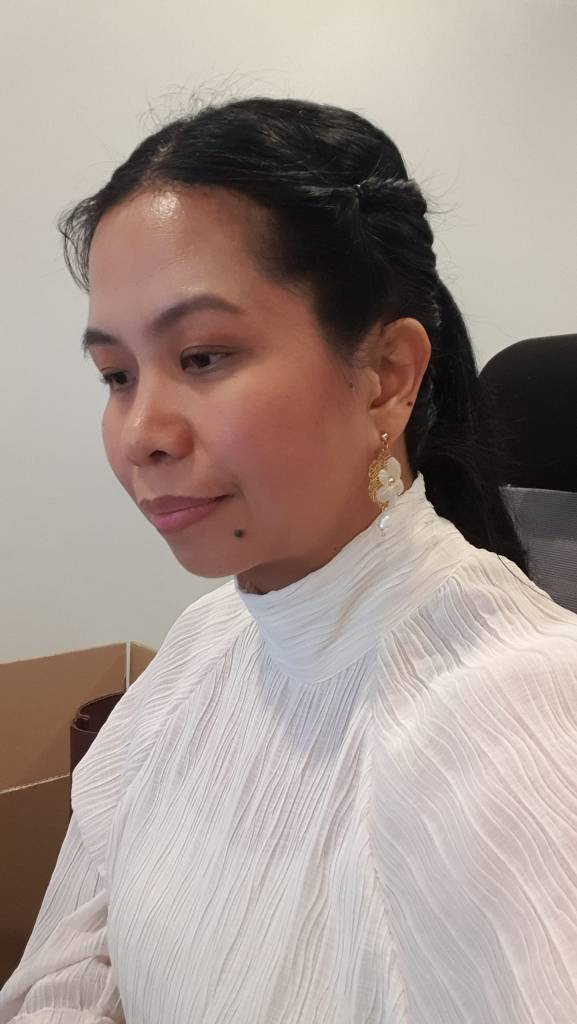
Funny Pics (You will know why by looking at the photos)


There have been a lot of innovations on Filipiniana. The Ternocon, for one, showcases creativity while promoting different aspects of Filipino culture through ternos. We visited the recent exhibit in the National Museum of the Philippines, and we were awed at the colors, fabrics, and designs.
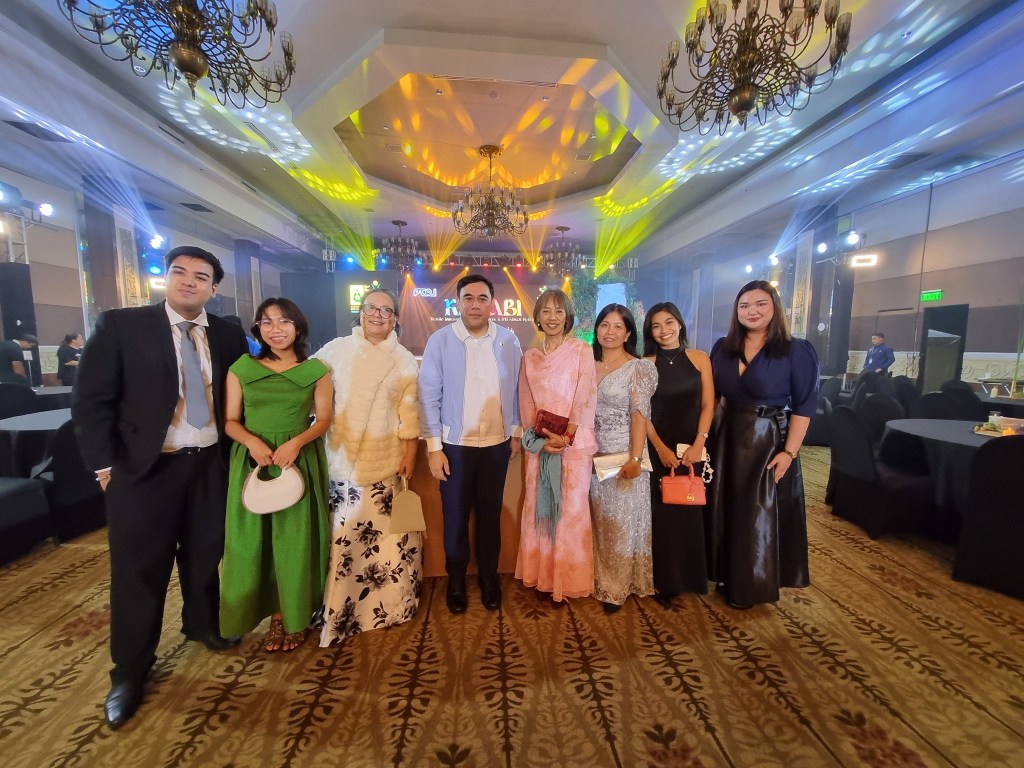
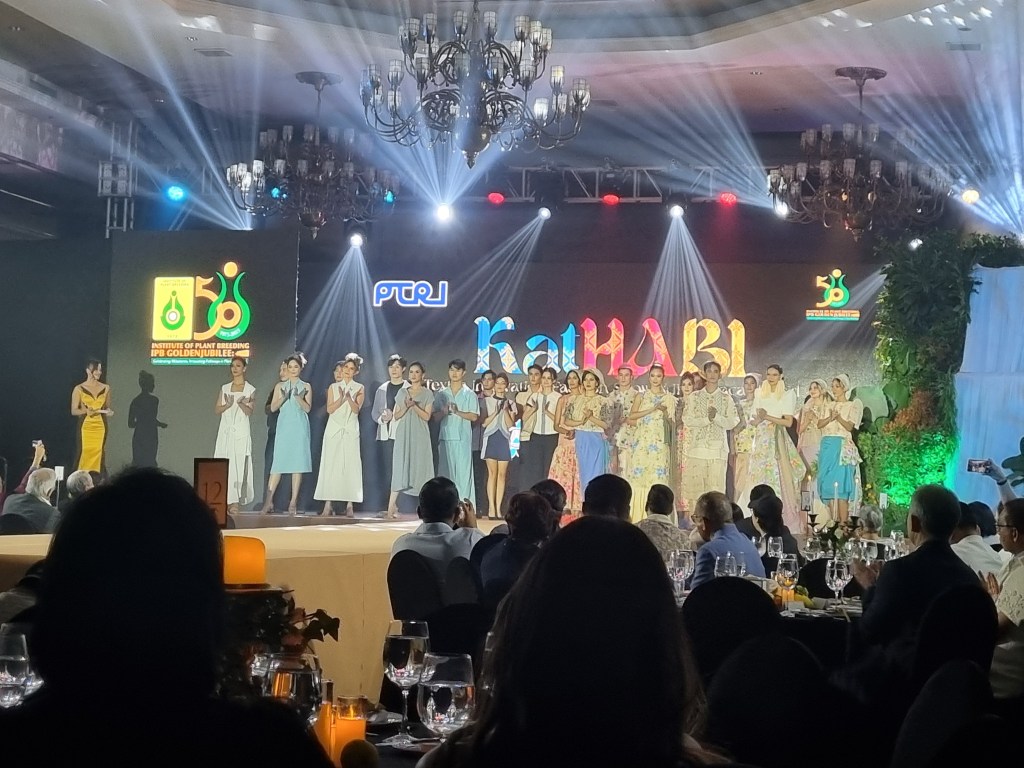
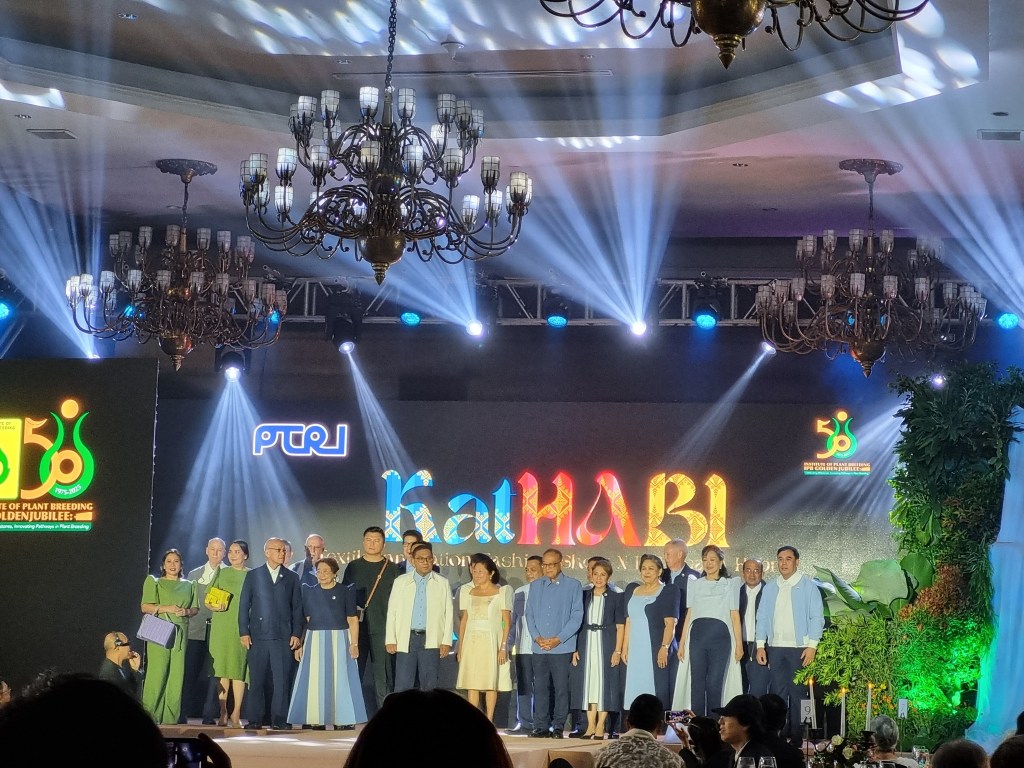
The 𝗞𝗮𝘁𝗛𝗔𝗕𝗜 : 𝘛𝘦𝘹𝘵𝘪𝘭𝘦 𝘐𝘯𝘯𝘰𝘷𝘢𝘵𝘪𝘰𝘯 𝘍𝘢𝘴𝘩𝘪𝘰𝘯 𝘚𝘩𝘰𝘸 𝘟 𝘐𝘉𝘗 𝘈𝘣𝘢𝘤𝘢 𝘏𝘺𝘣𝘳𝘪𝘥 event last June showcased fiber textile creations.
Here are some photos (including DFA OCD attendees) during the event:

What’s exciting about Filipiniana is the continuing innovation in fabric and design. Another is the flexibility allowed. For example, you may buy a plain dress, add a stripe of Filipiniana fabric or sew it at the waistline or at the hem, then you may call it “modern Filipiniana.” Or to enliven the look, you may put colorful collars and sleeves to a cream or beige top/dress. Or you may put patches on your clothes either as random designs or an appliqué. The possibilities are endless.
For Filipinos working in offices and required to wear Filipiniana, try different designs. For foreigners, see what suits you and wear it to official events in the Philippines.
Author’s notes:
I hope you learned something or were entertained by this article and its contents.
I wish that this piece will reignite my enthusiasm to write again, and not just produce work outputs day by day.
Thank you for reading. I appreciate it. ❤
 Beyond Routes