It’s 6am on a Saturday. I wake up several minutes before the alarm I set. I can hear the birds outside, happily heralding the new day.
I breathe a prayer, thanking God for the weekend, for this free day, and for feeling well and comfortable. I pray for my family, my friends, my work colleagues, and those I come across with.
I smile, my attention back to the birds chirping. I can make out three (3) different species by their sound. Then my thoughts go back to several moments in my life where birds, these beautiful, feathered, delicate creatures made the moments and memories more special.
The delicate, brown muro-maria
I grew up in Albay. Our strong house, made of concrete, “buhos” in our language, was designed by my Dad. He oversaw the construction too so every post, wall, beam is well-made and the house is standing proudly from 1982 until the present. Half of the porch is covered by a roof. At the four (4) corners of this roof, several muro-marias decided to build their nests.
The muro-marias added great memories to my childhood, never mind that they required regular cleaning of the pebbled porch floor because of bird poo or “ipot.” They built these brown, small nests, and they flew in and out of the porch roof several times a day. In two instances, the nest fell to the porch floor (thankfully, with no chicks inside). Once, a muro-maria flew too close to the ground, and was fatally struck by the paw of one of our pet cats, who had been eyeing the birds fly in and out. I shooed our cat, cradled the delicate creature gently, and prepared a small grave by the garden adorned by flower petals. I was so sad that time.
That’s the only sad memory of the muro-maria. Mostly, I recalled their chirps, their freedom of flight, and how they enlivened our porch.

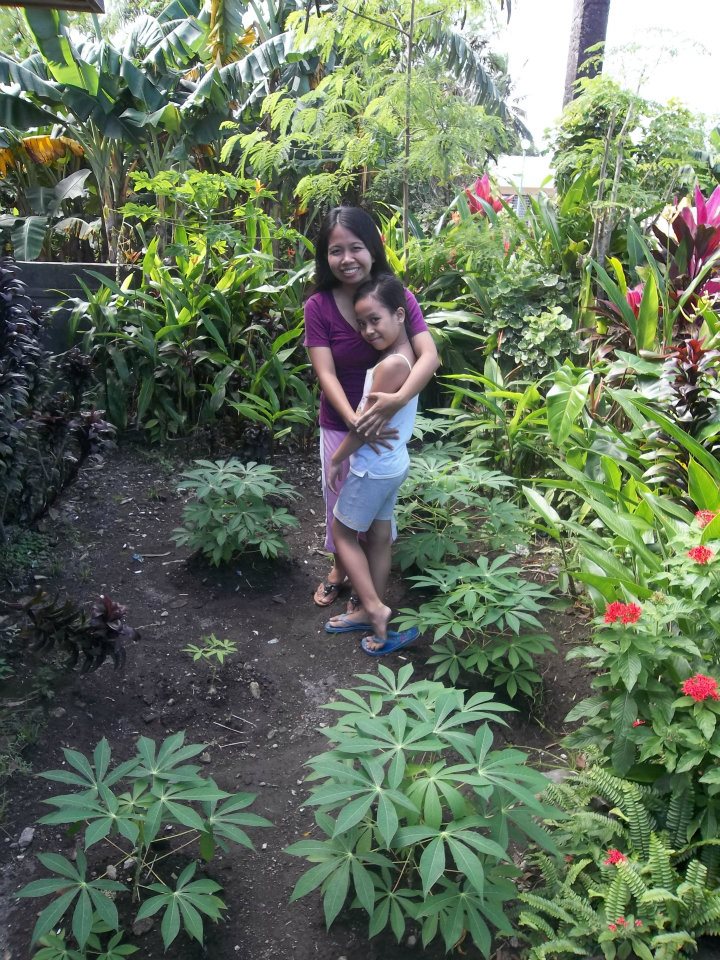
The kalapati (dove/pigeon)
We had two (2) kalapatis when I was a child. These plump-looking birds, gray, with iridescent green chest, with curious eyes, make for a great childhood companion. However, I have vague memories of the kalapati (I’ll need to ask my siblings how we got them, who gave them, why they escaped).
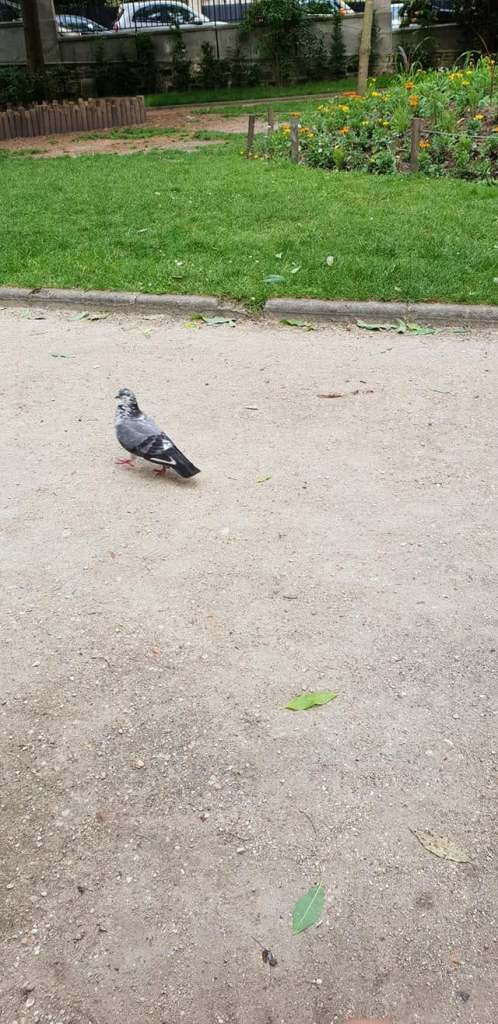
What I remember more now are the kalapatis in Paris and in Rome. I was saddened to know that they’re seen as pests in Paris. How? Why? 😦 Yeah, there are quite a number in the city, but pests? One of my fond memories in Paris is sitting in one of the benches in the middle of the Seine River (there is an artificial island there) and feeding the doves with small bits of bread.
When I visited Rome and the Vatican, part of my happy memories is being surrounded by doves. They are not afraid of people, but they fly away when you get too close.
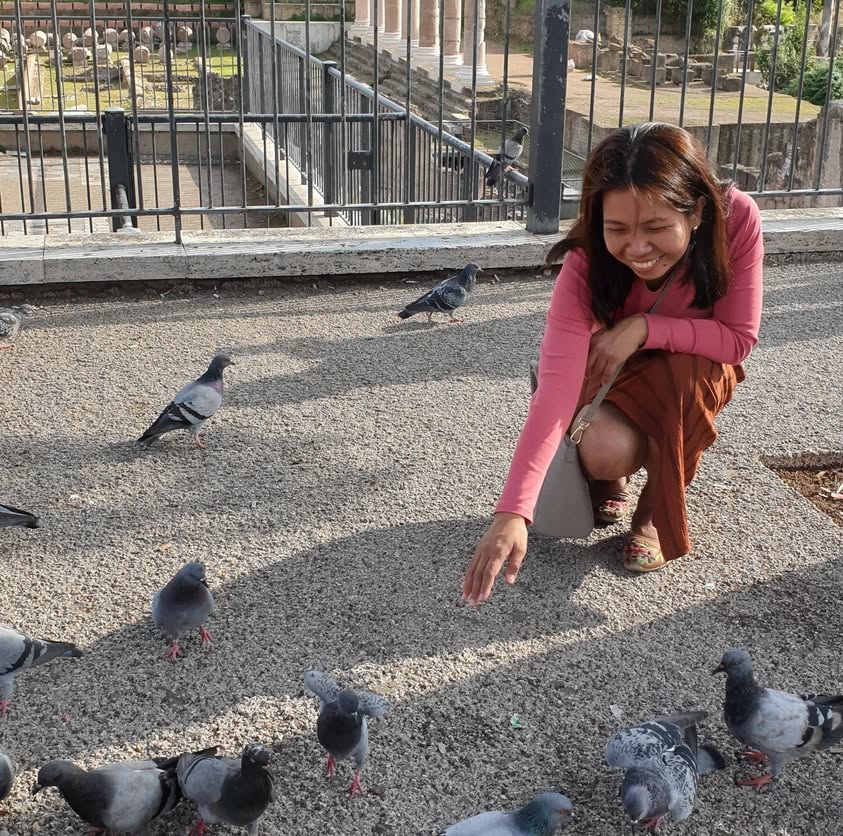
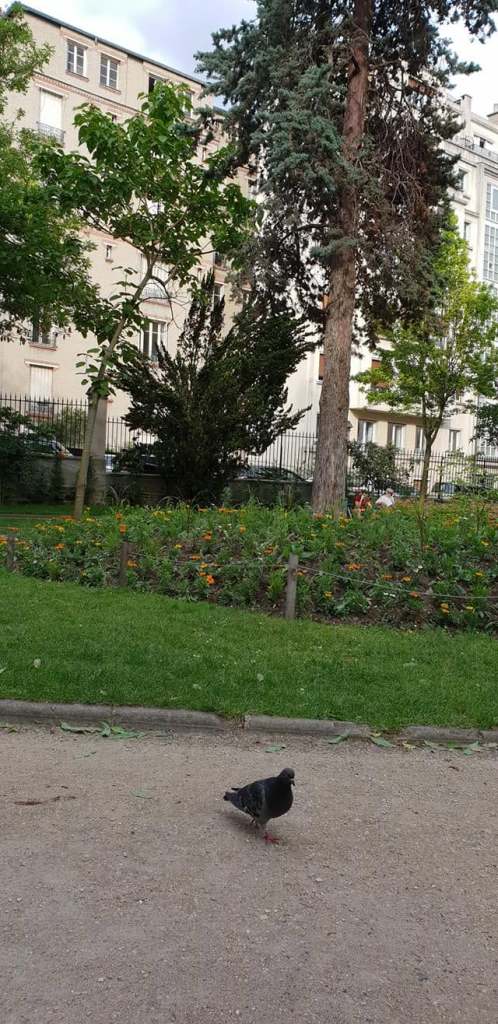
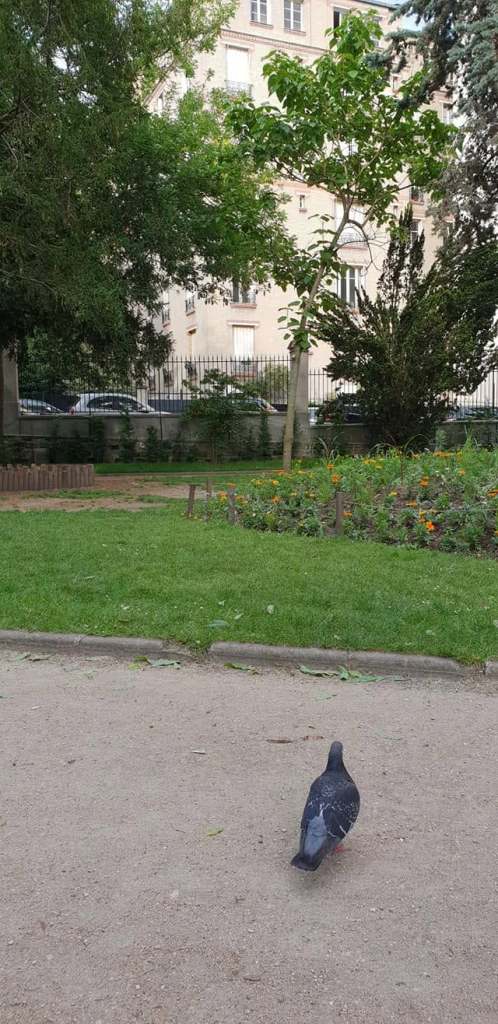
And here are some of my photos of the pigeons in Paris, taken in June 2018:


The crows
Crows are depicted in literature as the witches’ birds. For that, they weren’t my favorite growing up. They’re pitch black, not cute, and emit a harsh sound. But of course, you find out those are just stories so you’re not afraid anymore. But still, they weren’t my favorite.
I appreciated them when I stayed in Vienna for a short vacation. (I was then posted in Paris and two (2) dear friends were assigned to Vienna.) Every early morning, we would walk along the Prater Park and there were crows in the garden. They looked peaceful, content, with their glossy cloaks of the blackest black.
The mynahs, bats, and herons (in Suva)
Mynahs welcomed me in the Nadi airport when I first arrived in Fiji, in December 2025. I was exhausted from the long Manila > Hong Kong > Nadi trip, but seeing those birds hopping on the roof of one of the buildings in the Nadi airport, as we walked out of the plane to the arrival area, I felt happy and invigorated. Now, I see mynahs everywhere–at the Thurston gardens, by the beach, along the streets of Suva.
As for bats, they are aplenty in the trees at the Thurston Gardens and the State House premises. They look like plump, black fruits, hanging upside down the trees. During my walks, as the evening approaches, the bats could be seen flying around.
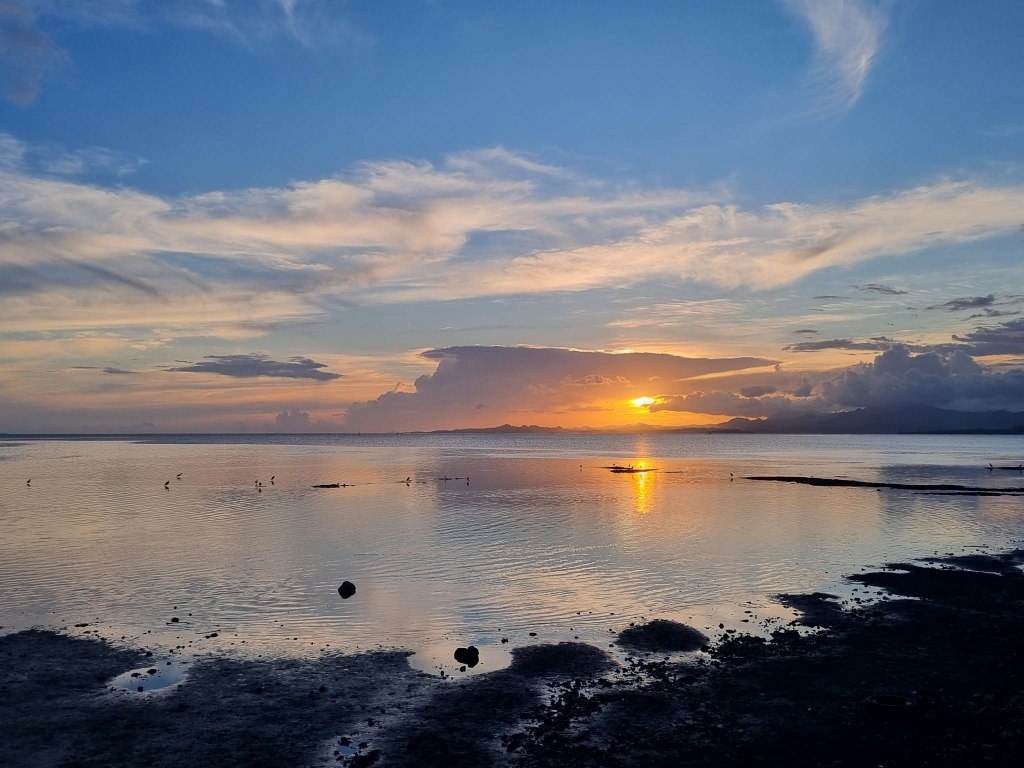
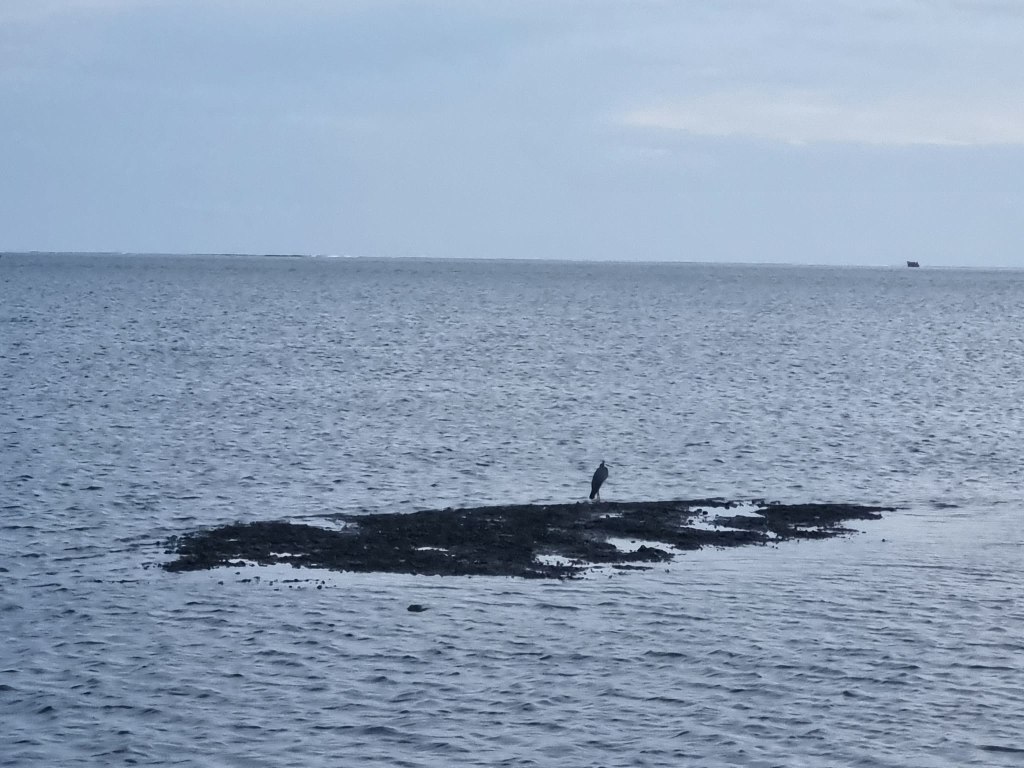
And there are the herons. A quick online check showed them to be Pacific reef herons. They fly, but mostly stay still, while on the seafloor during low tide. Looking at them, while you sit on the grass, earth, or edge of the seawall, you’d admire their stillness and tranquility.
These are photos I took during my walks in Suva. Different days, different watercolor hues; but the birds remain calm and peaceful.

Other birds
There’s this bird called ik-ik in my hometown (or perhaps in all rural areas in the Philippines). I haven’t actually seen one, but I’ve heard it during evenings, instilling a mixture of fear and curiosity. How does it sound? Well just exaggerate how you say ik-ik in a high-pitched voice and you will hear it. They say pregnant women should be careful when you hear this sound, as it means an “aswang” wants to eat your baby. Now that I’m older, I know it’s not true, but still until now, I haven’t seen an ik-ik. I hope to see one, just to close the matter once and for all. Haha!
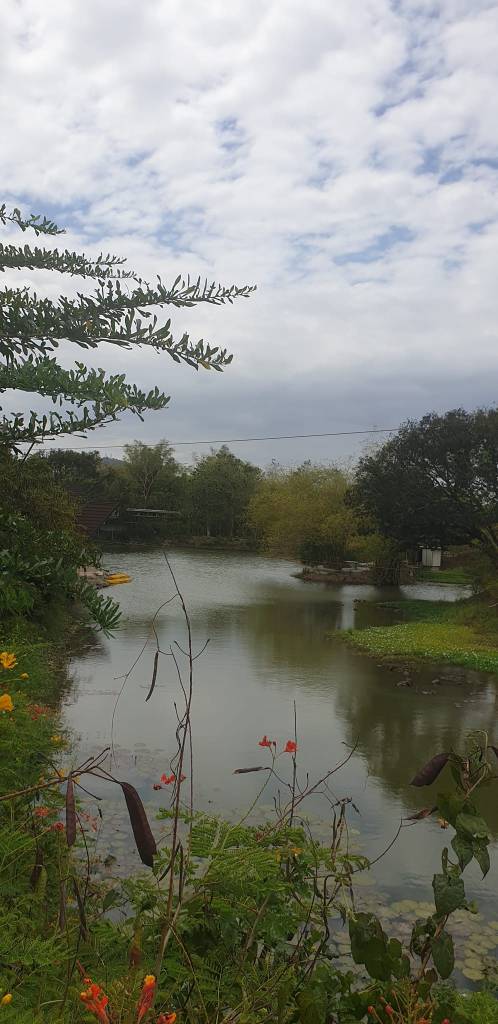
Then there’s kikiyaw (again onomatopoeiac sound). I forgot its name in English but this bird always makes a sound as I wake up in my place in Las Pinas. And when our work team was in Sirmata, Nueva Ecija for a team building, I heard it in the surroundings during my solitary jog in the area. I couldn’t see them though as they were high up in the trees, hidden by the thick leaves. I timed the sound, roughly 7 seconds in between kikiyaws. Do they get tired shouting “kikiyaw”? Maybe. 😀 But then, it’s not throughout the day. In both places, I only heard them in the morning.

There are more sightings and little special moments with birds (the majestic eagles, the parrot, love birds, and even their feathered cousins–chickens, ducks, turkeys, which were part of our childhood, as they roamed freely around our yard), but this is all for now.
Oh, before I end, I’d like to mention the Ibong Adarna, a colorful bird, magical and can cure any illness according to literature, and one of the stories that made me wonder as a child. Where is the ibong adarna? What sound does it make. Some articles say that the folklore was inspired by the Philippine Trogon (Harpactes ardens) because of its beauty. I hope to see it and listen to it sing, one day. 🙂
Thanks for reading and joining me in my musings. ❤

