In 2025, I attended the the film festival “Know your North” in the National Museum of Anthropology. I watched film director Gab Malvar‘s documentary about the life and art of Amparo Balansi Mabanag, a GAMABA awardee.
I am not writing an analysis of the documentary however (I don’t feel qualified yet to do that), except to say that it was real, raw, and captivating without drama or sensationalism. The presence of Ms. Mabanag herself made the event even more special.
What struck me in Gab Malvar’s passionate speech was the need to tell stories — stories about the country, our culture, people and places. He said that if no one tells stories, some aspects of our culture will fade into obscurity.
From that event, I thought of what stories need telling. There are plenty but the first idea that formed was about the stories of kakanin sellers, handicraft makers, and dressmakers in our hometown in Albay.
There’s this stall in the wet market known for making candied peanuts. My late lolo used to buy peanuts from them and bring them to us, his apos, as pasalubong. The candied peanuts were crunchy and had just the right sweetness, using panutsa instead of sugar, which gave it a rather soft, sugary consistency. The peanuts prepared in small sizes, just about 7 pieces of nuts per candy. Together with the chewy panutsa, it’s perfect for toddlers (and even adults) with sweet tooth, very much unlike the commercialized, hard, candied peanuts sold in bus stops.
That small shop at the market doesn’t sell candied peanuts anymore the last time I was there, a few years ago. I didn’t recall the same when I had visited previously. They only had several packs of pancit bato, and a few other items which I didn’t pay attention to. I wanted to ask, where’s the candy maker? I wanted to say thank you for being part of my childhood, and for reminding me of my lolo, but it seemed too nostalgic and out of place, especially that the current vendors were young.
What struck me in Gab Malvar’s passionate speech was the need to tell stories — stories about the country, our culture, people and places. He said that if no one tells stories, some aspects of our culture will fade into obscurity.
As for the second, do you know hinagom? It is a traditional Filipino rice delicacy from the Bicol region, made by pounding freshly harvested rice, roasting it, and mixing it with grated coconut and sugar. In my hometown in Albay, there’s only one man selling that kakanin mid afternoon, going around the town in his bicycle. Hinagom has a distinct taste and aromatic smell, most probably because of the roasted grains. It tastes delectable, but it’s hard to explain (not like creamy, milky, and sweet for leche flan, for example).
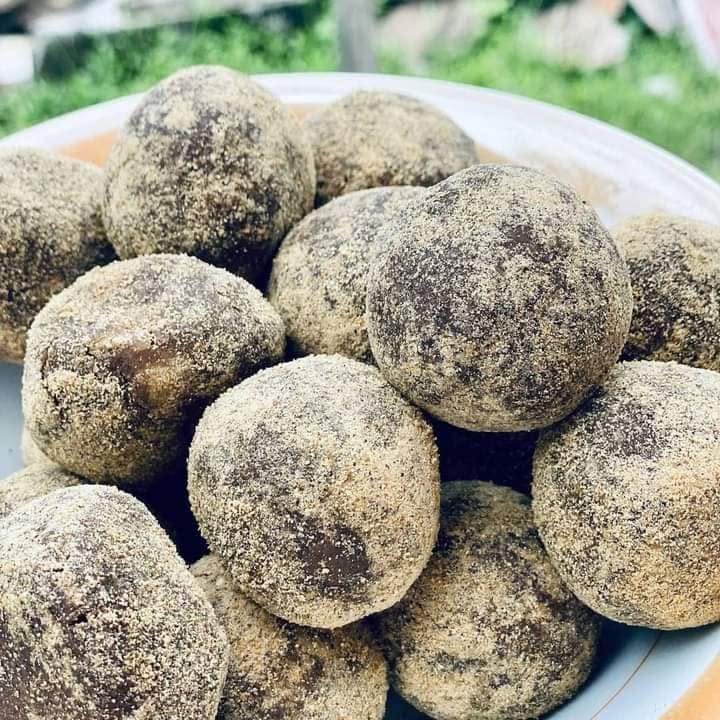
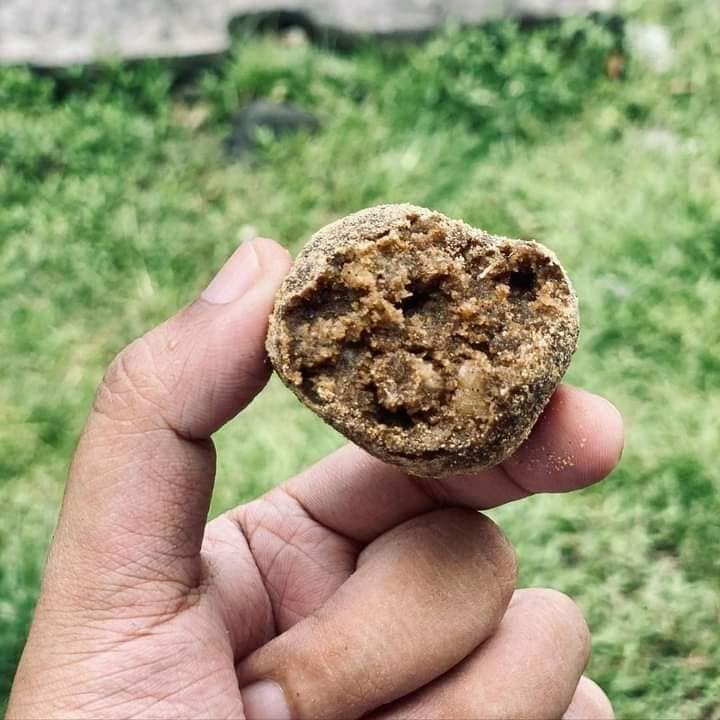
That hinagom seller has since passed on. An illness, I think. Since then, I haven’t heard of anyone else selling the same item, only the usual taho in the morning, the orange kutsinta, and dirty ice cream some days. Even the ice drop with mongo aren’t sold anymore.
For the third example, I’ll focus on Bikol handicrafts. There are so many handicraft makers in Albay, proof of the artistry, creativity of Bicolanos, as well as the availability of raw materials: abaca, karagumoy, bamboo, buri, and bangkuan grass. It’s a usual gift I bring to my friends and colleagues, whenever I had the opportunity to go home, never mind that they’re bulky (coin purses, handbags, shoulder bags, fans). Several years back, coin purses cost 10 pesos each; the vendor would even add an extra with a smile, for every 10pcs. you buy. Now they’re triple the price, but still cheaper than the cultural shops in Manila, which increase the price of items almost 10-fold.
Look at these photos! There are several more, but these are the one I could find at the moment:

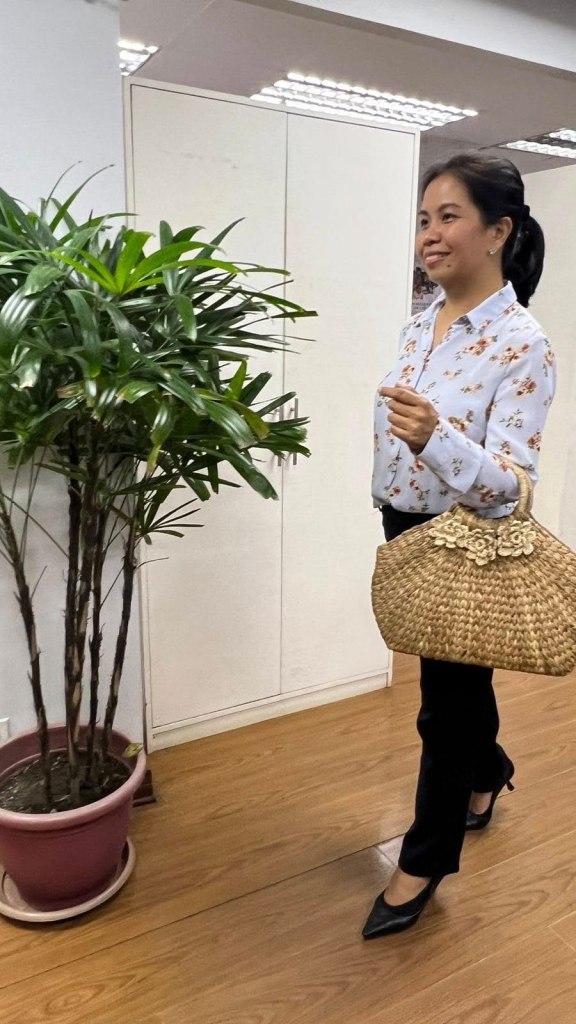
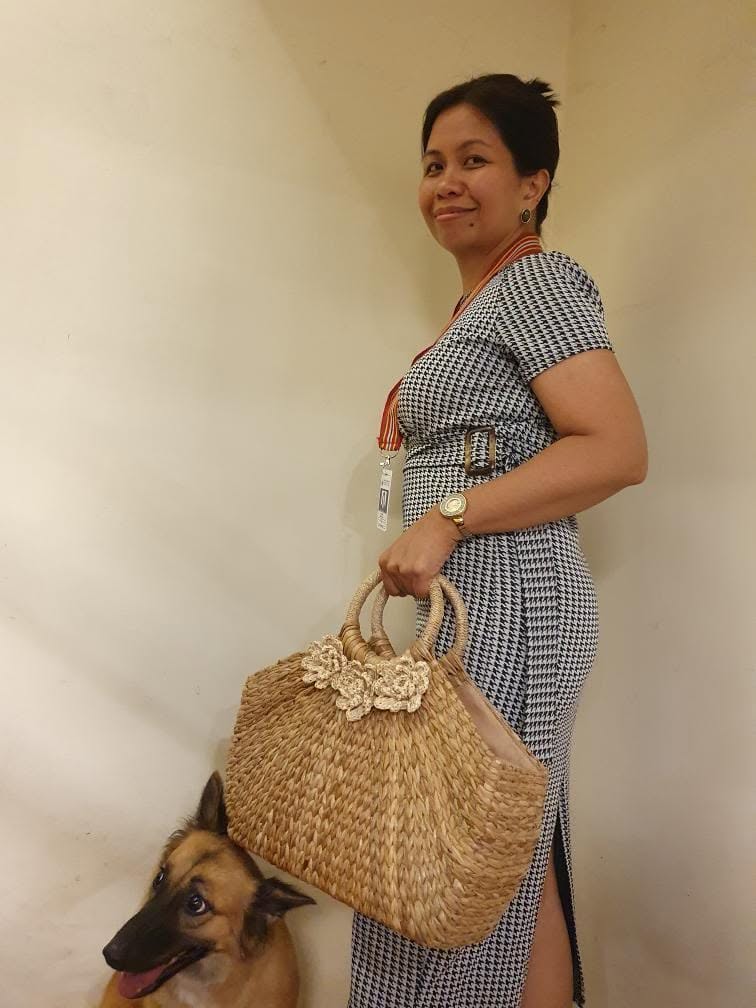
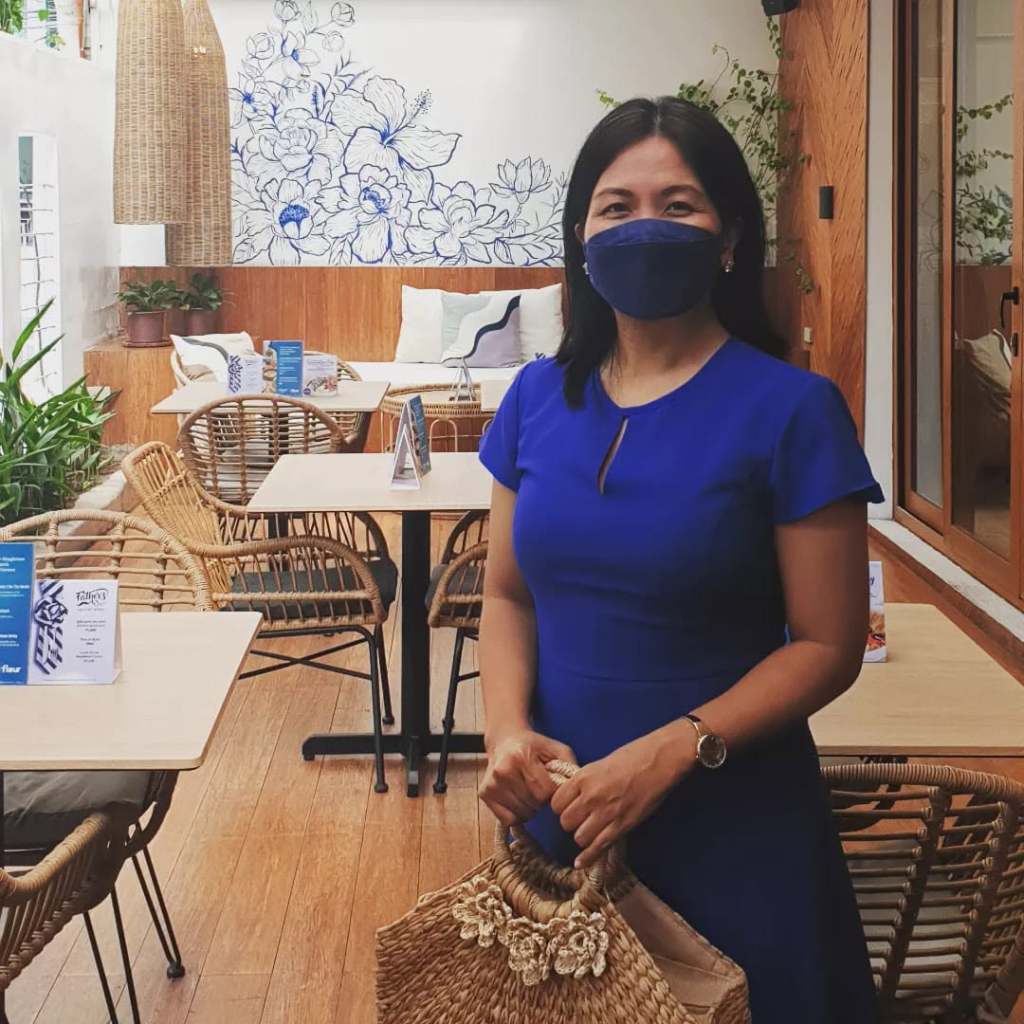
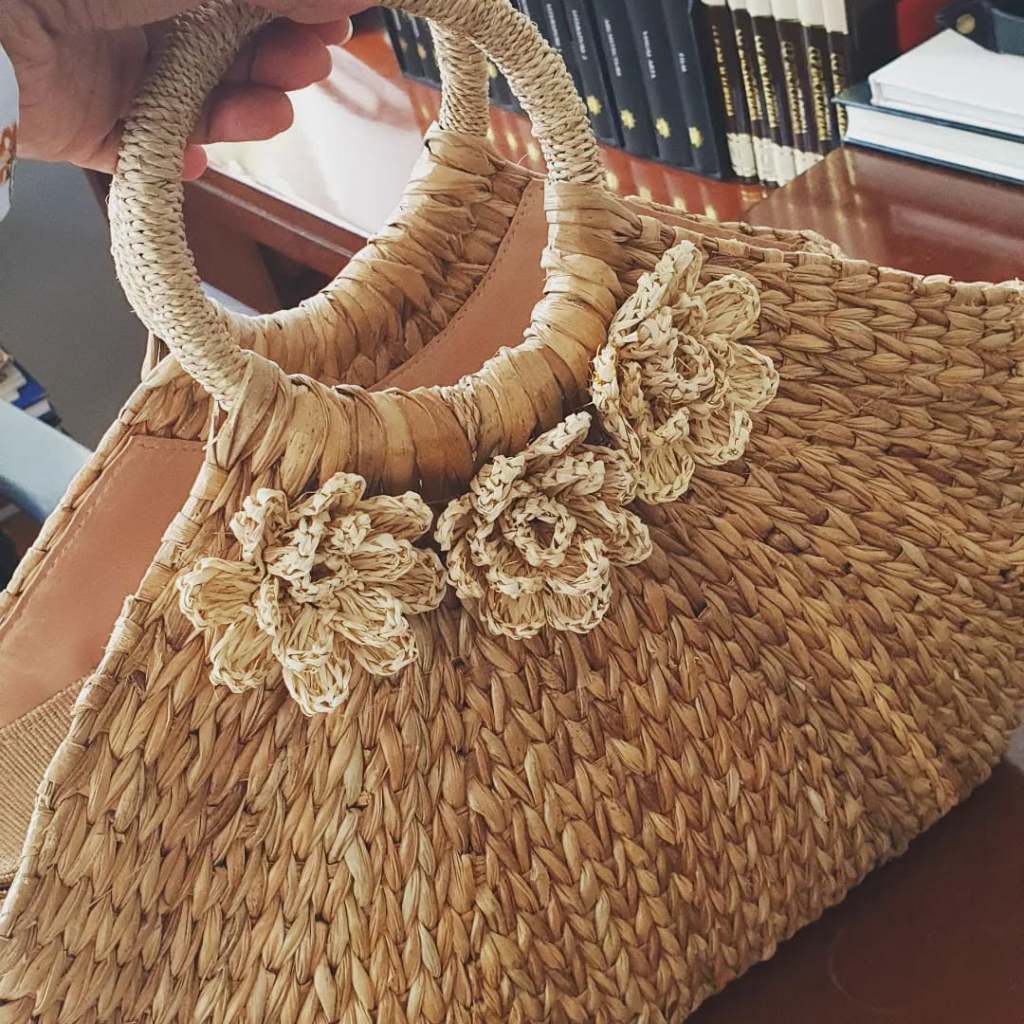
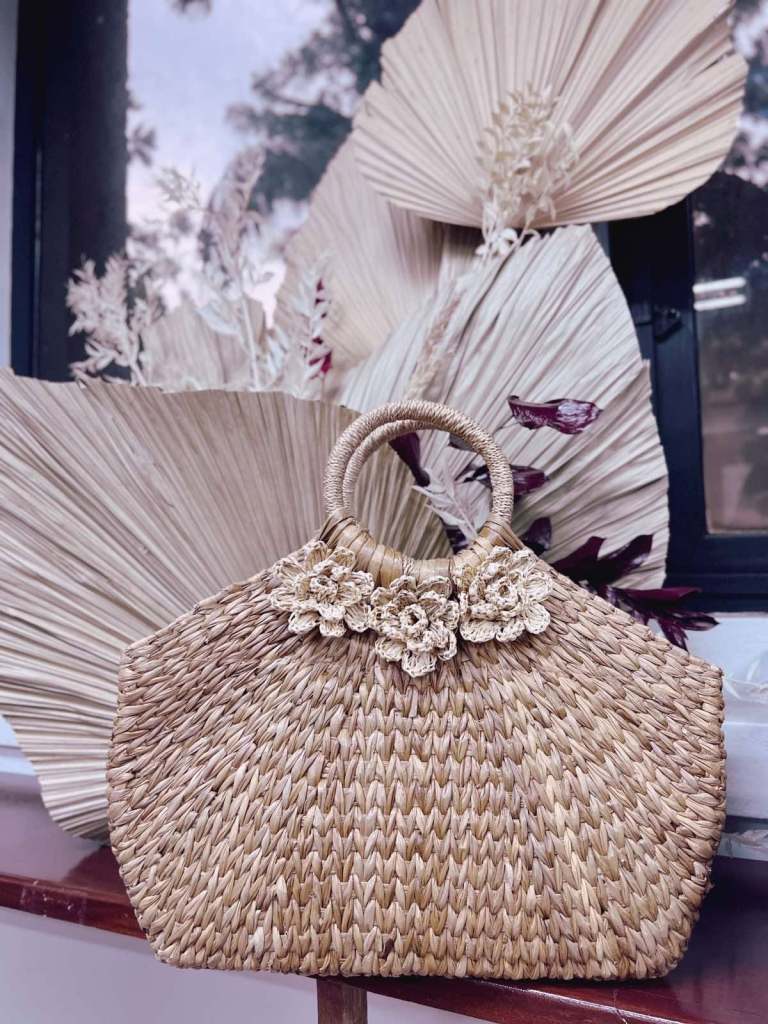
The beautiful bag you see in the photos is from Janmhayves Handicraft: Manufacturer of Assorted Bags located in. Purok 4 San Jose Malilipot, Albay 4510. I visited the shop in April 2023 and interviewed the owner, Ms. Leth. She narrated that the shop started operating in 1998 and despite a slump in production during the pandemic, it continued to thrive. Ms. Leth is not only the owner, but she also designs, colors, and sews the bags and other products. Their shop supplies Balikbayan Handicrafts and in not a few times exported products (mostly abaca bags) abroad to supply private businesses. The shop was also a regular in Orgullo Kan Bikol, a yearly trade fair in SM Megamall in which they have most of the time sold out all their products. However, recently, they stopped participating for the reason that, in the words of Ms. Leth, “to give opportunities to other small businesses.”
Most of the products of Janmhayves Handicraft are made from abaca, but there are a few made from Bangkuan grass (sourced from Tigawan, Camarines Sur), raphia (fibers are crocheted and made into floral decorations of bags), nito, and rattan. Ms. Leth owns an 8-hectare abaca farm, which is within three kilometers from the foot of Mayon Volcano. However, she said, a lot of their abaca are still sourced from Tigawan, Cam Sur since the production is insufficient. When asked for a reason, she said that when Mayon Volcano erupts, all the abaca plants die. (There’s more to this story, which I may share only to interested persons.)
For the fourth, I’ll shift to a different topic: mananahi or the town’s local seamstresses/ dressmakers. Before RTWs became popular, and easy to order, there were dressmakers. There were two famous ones in our town: Manay Beth and Manay Cion. Many of my siblings and I had our school uniforms and dresses made by them. Especially at the end of every school year, when recognition ceremonies (for academic honors) are held, we always had new dresses made.
The process starts from choosing fabric from a textile shop in Tabaco, then my mom would choose a design, then we will bring the fabric to the mananahi, have our measurements taken, then return after the agreed date, and fit the clothes. I can’t recall if there was ever an instance when we had to repair the sewn clothes. They were always perfectly done.
Did Manay Beth and Manay Cion have apprentices or protégés? I don’t know. I haven’t heard of any. Many people now log in, choose clothes online (never mind if the fabric are synthetic and smell of plastic when you first open the pack), and then wait for a few days before delivery. Their stories are not as glamorous as Kate Winslet’s “The Dressmaker,” but they definitely made a mark in our town.
These people– the kakanin sellers, the handicrafts sellers and artists, the dressmakers, and many others are/were essential part of the community, and were part of my childhood. Through writing about them, I honor them. Through writing about them, I let the world know, that even if they are part of only a small town, and didn’t achieve much wealth or high status, common criteria for success by the modern world, they are significant. They are part of a community that valued their skills and talents, and they are much appreciated, then and now.

